People
Confucius Explained: Teachings, Influence, and Legacy
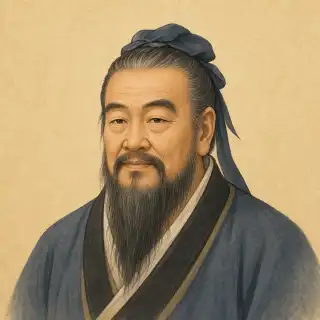
Confucius was a teacher, thinker, and moral guide whose ideas shaped Chinese history for more than two thousand years. He lived during the later Zhou world, a time of political breakdown and social change. Readers still care about Confucius because his teachings influenced education, government, family ethics, and the broader moral language of East Asia.
Key Facts
- Identity
- Teacher and philosopher
- Chinese Name
- 孔子
- Pronunciation
- Kongzi
- Ethnic Affiliation
- Huaxia cultural world; modern ethnicity labels do not apply cleanly
- Lived
- 551-479 BCE
- Dynasty
- Late Zhou Dynasty
- Known For
- Teachings on ethics, learning, and proper conduct
- Historical Role
- Foundational figure in Confucian thought
Quick Answer
Confucius was an ancient Chinese teacher and philosopher. He is best known for teaching that moral self-cultivation, good government, and proper human relationships were the basis of social order.
Why Is Confucius Important?
Confucius is important because he gave later generations a moral vocabulary for thinking about family, education, duty, and political responsibility. His ideas did not stay inside books. They became part of the way Chinese states trained officials and judged behavior.
He also matters because later dynasties kept returning to his teachings when they wanted to define legitimate rule and proper public life. To see that larger setting, readers can pair his story with the Zhou Dynasty, the Duke of Zhou, and the Mandate of Heaven.
Early Life
Confucius was born in the state of Lu during a period when Zhou authority was weakening. He did not begin as a ruler or military commander. His importance came from study, teaching, and the effort to recover moral order in a divided age.
This background matters because his ideas were a response to real instability. He believed social harmony was not created only by force. It depended on character, ritual, and responsible leadership.
Rise to Power
Confucius did not rise to power in the dynastic founder's sense. Instead, he rose to influence through teaching, public service, and the reputation he built among students and later followers. His school of thought survived because disciples preserved and expanded his ideas after his death.
That kind of influence was slower than conquest, but in the long run it proved more durable. His authority became intellectual and moral rather than military.
Timeline
551 BCE
Confucius was born in the state of Lu
Late 6th century BCE
He worked, studied, and developed a reputation as a teacher
5th century BCE
His students preserved his teachings and spread them further
Later dynasties
His ideas became central to education and official culture
Major Achievements
He created one of the most influential moral traditions in Chinese history
Confucius taught that ethical behavior, respect, and disciplined learning were the basis of a healthy society.
He linked personal virtue to political order
He argued that rulers should govern by moral example, not only punishment.
He elevated education
His legacy made study and classical learning central to elite culture and later state service.
He shaped later government
Confucian ideas strongly influenced later education, official culture, and the moral language of government.
Mistakes and Controversies
Confucius is sometimes criticized because later political systems used his teachings to support hierarchy and obedience. Some modern readers feel that this tradition placed too much pressure on social conformity. It is also true that later "Confucian" practice was not always the same as what Confucius himself taught.
Another debate is whether his model was practical in times of war and crisis. Critics have long asked whether moral example is enough when states face urgent military threats.
Sources and Historical Tradition
Confucius is better documented than legendary figures from mythic antiquity, but readers still need to distinguish his lifetime from later tradition. His sayings and conversations were preserved by students and later followers, especially through texts associated with the Confucian school.
Later dynasties also reshaped his image. They honored him as a teacher, moral authority, and symbol of classical learning. That later reverence is part of his historical importance, but it should not be confused with a simple day-by-day biography of his own life.
Death and Legacy
Confucius died in 479 BCE without founding a dynasty or transforming politics during his own lifetime. Yet his posthumous influence became enormous. Later thinkers, teachers, and rulers treated him as a master whose ideas could help restore order.
His legacy lasted because his teachings could be applied at many levels: family, school, court, and empire. That is why he remains one of the first names readers meet when they begin studying Chinese history.
Simple Summary
- Confucius was a teacher and philosopher from the late Zhou period.
- He taught that moral character and learning were essential for good government.
- His ideas helped shape education and official culture for centuries.
- He became the central figure of the Confucian tradition.
FAQ
Who was Confucius?
Confucius was a late Zhou teacher and philosopher whose ideas shaped Chinese ethics, education, and political thought.
When did Confucius live?
Confucius lived from 551 to 479 BCE, during the late Zhou period.
Why is Confucius important?
He is important because later Chinese education, official culture, and moral-political thought repeatedly returned to his teachings.