People
Sima Yi Explained: Cao Wei, Coup, and the Road to Jin
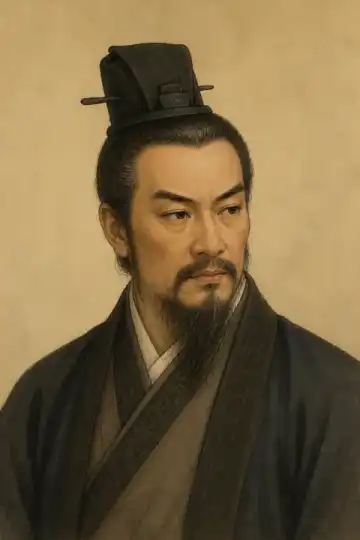
Sima Yi (司马懿, Sīmǎ Yì; also written Simayi) was a statesman, military commander, and regent of Cao Wei during the Three Kingdoms period. His 249 CE Gaoping Tombs coup removed his rival Cao Shuang and gave the Sima family control of the Wei court.
Key Facts
- Identity
- Cao Wei statesman, commander, and founder of Sima family power
- Chinese Name
- 司马懿
- Pronunciation
- Sīmǎ Yì
- Ethnicity
- Han Chinese
- Lived
- 179-251 CE
- Dynasty
- Cao Wei
- Known For
- opposing Zhuge Liang, defeating Gongsun Yuan, and launching the Gaoping Tombs coup
- Historical Role
- He shifted real power in Wei from the Cao family to the Sima family.
Quick Answer
Sima Yi became famous for his campaigns against Shu Han and Gongsun Yuan, then for taking control of Wei politics. A regent governed on behalf of a young emperor; Sima Yi turned that position into lasting family power. He never became emperor during his lifetime. His grandson Sima Yan later founded the Jin Dynasty.
Early Life
Sima Yi came from the Sima clan of Henei, a family with cultural and political standing. He entered the Cao regime and gradually built experience in government and military affairs. Under Cao Cao, and later Cao Pi and Cao Rui, he became a trusted official rather than an independent warlord.
He was not one of the first great founders of the Three Kingdoms age. His importance came later, when the struggle moved from wars among Wei, Shu, and Wu to control of the Wei court.
Rise to Power
Court service and military command reinforced each other in Sima Yi's career. He suppressed Meng Da's revolt, commanded against Shu Han, and defeated Gongsun Yuan in Liaodong.
In 239 CE, the dying emperor Cao Rui appointed Sima Yi and Cao Shuang to assist his young successor, Cao Fang. Their shared regency became a struggle over access to the emperor and control of government. This rivalry set the stage for the coup ten years later.
Timeline
179 CE
Sima Yi was born
He came from the Sima family of Henei.
208 CE onward
He served the Cao regime
He built experience in civil administration, court politics, and military command.
231–234 CE
He commanded against Shu
He became the best-known Wei commander facing Zhuge Liang in the later Northern Expeditions.
238 CE
He conquered Liaodong
His campaign against Gongsun Yuan ended a separate regime in the northeast.
239 CE
He became co-regent
Cao Rui entrusted the young Cao Fang to Sima Yi and Cao Shuang.
249 CE
He launched the Gaoping Tombs coup
The coup shifted Wei's real power to the Sima family.
251 CE
Sima Yi died
The Sima family's control of Wei continued after him.
Major Achievements
1. He suppressed Meng Da
In 228 CE, Meng Da, a Wei commander preparing to rebel, faced a rapid advance by Sima Yi. Sima Yi captured his stronghold before outside help could save him. The campaign showed that the commander later famous for caution could also act quickly.
2. He commanded against Zhuge Liang
During the later Shu Northern Expeditions, Sima Yi became the best-known Wei commander facing Zhuge Liang. His strategy was often defensive because Wei had more resources and did not need to gamble on a single decisive battle.
They were real opponents, but later literature made their personal rivalry much larger and cleaner than the historical record. Both men worked through large states, other commanders, supply problems, and court decisions. The famous contest of individual masterminds belongs partly to later storytelling, not just to contemporary history.
3. He defeated Gongsun Yuan in Liaodong
In 238 CE, Sima Yi led Wei's campaign against Gongsun Yuan in Liaodong, far northeast of the Wei capital. Distance, weather, and supply made it a difficult operation. The fall of Gongsun Yuan's regime brought Liaodong under Wei control and gave Sima Yi a major victory independent of the Shu front.
4. How Sima Yi took control in the Gaoping Tombs coup
Cao Shuang gradually concentrated power in his own circle while Sima Yi withdrew from daily politics. The balance changed when Cao Shuang left the capital with the emperor.
In 249 CE, when the emperor and Cao Shuang were outside Luoyang near the Gaoping Tombs, Sima Yi took control of the capital and key offices. Cao Shuang surrendered after receiving assurances, but he and his close associates were later executed. The episode is often called the Gaoping Tombs coup.
The coup did not immediately abolish Wei. Its importance was institutional: the emperor still reigned, but the Sima family now controlled the offices, armies, and decisions that made the state work.
Why Is Sima Yi Important?
Sima Yi shows how a ruling family could lose control without its emperor immediately losing the throne. After the coup, Wei retained its name and emperor while the Sima family directed its government.
Understanding Sima Yi helps explain why the late Three Kingdoms became a story of internal Wei power transfer as much as war among Wei, Shu, and Wu.
Important People Around Sima Yi
1. Cao Cao and Cao Pi
Cao Cao and Cao Pi brought Sima Yi into the Cao political world. His later power grew inside the system they built.
2. Zhuge Liang
Zhuge Liang was Sima Yi's most famous military opponent. Later storytelling made their rivalry central to the late Three Kingdoms.
3. Cao Shuang
Cao Shuang was the opponent Sima Yi defeated in the Gaoping Tombs coup. His fall opened the path to Sima dominance.
4. Zhang Chunhua
Zhang Chunhua was Sima Yi's wife and the mother of Sima Shi and Sima Zhao. Her biography in the Book of Jin records these family connections. Stories about her household should be read as later historical accounts, not as direct access to the family's private life.
5. Sima Shi, Sima Zhao, and Sima Yan
Sima Shi and his younger brother Sima Zhao were Sima Yi's sons. They successively led the family after his death. Sima Yan was Sima Zhao's son, making him Sima Yi's grandson; he became the first Jin emperor.
Mistakes and Controversies
Sima Yi is controversial because his success looks like usurpation from the Cao perspective. He did not personally replace Wei with Jin, but his actions made that replacement possible. The execution of Cao Shuang's circle after their surrender remains central to his reputation.
From a Jin perspective, he was a founder. From a Cao Wei perspective, he was the man who hollowed out Cao rule. Historians can describe the political result with confidence; his private intentions, especially the question of whether he always planned to replace Wei, are harder to prove.
History and Later Portrayals
The historical Sima Yi was a court official and commander whose career depended on institutions, allies, and timing. Romance of the Three Kingdoms, television dramas, and games often present him as Zhuge Liang's perfect personal rival or as a man whose every action was part of a lifelong plan to seize the throne.
Those portrayals can be compelling, but they are not a substitute for the historical record. The most useful distinction is simple: the rivalry with Zhuge Liang was real, the Gaoping Tombs coup was real, and the Sima family's later rise was real; many of the most theatrical scenes and motives belong to later interpretation.
Sources and Historical Tradition
The Records of the Three Kingdoms, compiled by Chen Shou in the third century, and Pei Songzhi's fifth-century commentary preserve accounts of Wei politics and the campaigns against Shu. Cao Shuang's biography is an important account of the 249 CE coup.
The Book of Jin, volume 1, contains Sima Yi's biography under his posthumous imperial title. It records his career, the coup, and illness before death. Volume 31 contains Zhang Chunhua's biography and family relationships. These links lead to the Chinese source texts.
The Book of Jin was compiled centuries after his lifetime and presents him as an ancestor of the Jin ruling house. Its perspective should be considered alongside other accounts, including the later Zizhi Tongjian. Recorded actions establish the family's rise more clearly than they establish a lifelong plan in Sima Yi's mind.
Death and Legacy
Sima Yi died after falling ill in 251 CE. The Book of Jin records his illness before his death, but this does not establish a specific modern medical diagnosis.
His son Sima Shi took over family leadership and continued to dominate Wei politics. After Sima Shi's death, Sima Zhao held power. Sima Zhao's son Sima Yan finally replaced Wei and founded the Jin Dynasty in 265 CE.
Sima Yi's legacy is therefore indirect but decisive. He did not end the Three Kingdoms himself, but he opened the road to the dynasty that did. Jin completed reunification by conquering Wu in 280 CE.
Simple Summary
- Sima Yi was a senior Cao Wei statesman and commander.
- He became famous as Zhuge Liang's Wei opponent.
- His Gaoping Tombs coup shifted power to the Sima family.
- His sons carried forward the family's control of Wei.
- His grandson founded Jin; Sima Yi never ruled as emperor.
FAQ
Who was Sima Yi?
Sima Yi was a Cao Wei official, general, and regent. His 249 CE Gaoping Tombs coup gave the Sima family control of Wei politics.
What was Sima Yi known for?
He was known for leading Wei's Liaodong campaign, commanding against Zhuge Liang's later Northern Expeditions, and taking control of the Wei court in the Gaoping Tombs coup.
What was Sima Yi's relationship with Zhuge Liang?
They were major opponents during the later Shu Northern Expeditions. Their rivalry was real, but later literature made it more personal and dramatic than the historical record alone shows.
Did Sima Yi defeat Zhuge Liang?
Sima Yi did not win one simple final duel against Zhuge Liang. He helped Wei contain Shu's later campaigns, while Zhuge Liang died during the 234 CE Wuzhang Plains campaign.
How did Sima Yi take over Cao Wei?
In 249 CE, while Cao Shuang accompanied the emperor outside Luoyang, Sima Yi seized control of the capital and key government offices. Cao Shuang surrendered and was later executed. The emperor remained on the throne, but the Sima family gained control of the Wei court.
How did Sima Yi die?
Sima Yi died after falling ill in 251 CE. The Book of Jin records illness before his death; it does not establish a specific modern medical diagnosis.
Who was Sima Yi's wife?
Sima Yi's wife was Zhang Chunhua. She was the mother of Sima Shi and Sima Zhao, the sons who later led the family.
Did Sima Yi become emperor?
No. He served as a Cao Wei official, commander, and regent during his lifetime. His descendants later honored him with the posthumous title Emperor Xuan of Jin.
How long did Sima Yi live?
Sima Yi is usually dated from 179 CE to 251 CE. That makes him about 72 by modern reckoning; the Book of Jin gives 73 using traditional East Asian age reckoning.
How many children did Sima Yi have?
Sima Yi had several children. His most politically important sons were Sima Shi and Sima Zhao; later genealogical records also name other sons and daughters.
Did Sima Yi found the Jin Dynasty?
No. Sima Yi did not found Jin. His grandson Sima Yan replaced Wei in 265 CE, but Sima Yi's coup made that later transition possible.