People
Han Xin Explained: Generalship, Chu-Han Victory, and Tragedy
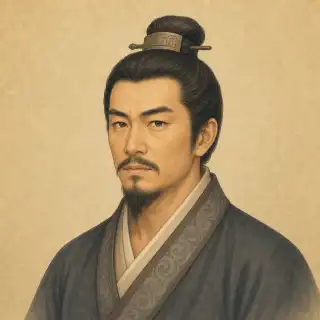
Han Xin was one of the most important generals in the wars that followed the collapse of Qin. He helped Liu Bang turn a weak position into a path toward empire, but his later fall also made him one of the most famous tragic figures in early Han political memory.
This page focuses on Han Xin as a person: who he was, how he rose, what he achieved, why he became dangerous after victory, and how later tradition remembered him. For episode-style storytelling about individual moments, see the related series links near the end.
Key Facts
- Identity
- General, strategist, King of Chu, later Marquis of Huaiyin
- Chinese Name
- 韩信
- Pronunciation
- Hán Xìn
- Lived
- c. 231-196 BCE
- Dynasty
- Qin collapse, Chu-Han Contention, and early Western Han
- Known For
- Xiao He recommending him, northern campaigns, back-to-the-river tactics, and his tragic death
- Historical Role
- Key military architect of Liu Bang's victory over Xiang Yu
Quick Answer
Han Xin was a brilliant military commander who helped Liu Bang defeat Xiang Yu and found the Han Dynasty. He is best known for his strategic campaigns during the Chu-Han Contention, especially his victories in the north.
His story is also famous because success made him politically dangerous. After the empire was won, the same talent and reputation that had made Han Xin useful also made the Han court fear him.
Early Life
Han Xin came from Huaiyin and did not begin life with high status. Traditional stories describe him as poor, ambitious, and often humiliated before anyone recognized his talent.
The best-known early story is the "humiliation under the crotch." A local bully challenged him either to fight or crawl between his legs. Han Xin chose to endure the insult rather than throw away his future in a pointless killing.
Later readers often use this story to explain Han Xin's patience. The point is not that one anecdote explains his whole character. It shows the kind of memory attached to him: a man who began low, endured shame, and waited for a real chance.
Rise to Power
During the chaos after Qin authority collapsed, Han Xin first attached himself to Xiang Yu's side. He did not receive serious command there. In a camp shaped by aristocratic prestige and heroic force, Han Xin remained a minor figure.
He later joined Liu Bang, but even there he was not immediately recognized. Liu Bang gave him a relatively low post, and Han Xin grew frustrated.
The person who saw his value was Xiao He. After speaking with Han Xin, Xiao He believed he was not an ordinary officer but the kind of commander who could change the whole war. When Han Xin left in disappointment, Xiao He famously pursued him and brought him back.
With Xiao He's urging, Liu Bang appointed Han Xin as grand general. That appointment changed Han Xin's life. It also changed Liu Bang's war. Han Xin was no longer a neglected talent. He now had authority to turn strategy into action.
Timeline
c. 231 BCE
Han Xin was born in Huaiyin
Traditional accounts describe him as poor and socially obscure in youth.
Qin collapse
He moved between Xiang Yu's and Liu Bang's camps
Han Xin was not seriously used by Xiang Yu and was only gradually recognized in Liu Bang's camp.
c. 206 BCE
Xiao He recommended him to Liu Bang
Han Xin became grand general and gained real command authority.
205-203 BCE
He campaigned through Wei, Dai, Zhao, and Qi
His northern campaigns changed the strategic balance of the Chu-Han war.
202 BCE
Han forces defeated Xiang Yu
The Han victory opened the way for Liu Bang to found the Han Dynasty.
Early Western Han
Han Xin was reduced from king to marquis
He lost his kingdom and was kept under close watch in Chang'an.
196 BCE
Han Xin died in Chang'an
He was executed after accusations connected him to rebellion.
Major Achievements
Han Xin's achievements were not only a matter of battlefield skill. His real importance was strategic. He helped Liu Bang escape a narrow struggle and turn the war into a broader contest that Xiang Yu could not easily contain.
1. He helped Liu Bang regain the initiative
After Liu Bang was pushed into Hanzhong, his position looked weak. Han Xin helped point the Han side back toward Guanzhong, the former Qin heartland.
That mattered because Guanzhong gave Liu Bang a stronger base. Without a path back into the old imperial core, Liu Bang would have remained much less dangerous.
2. He expanded the war through the northern campaigns
While Liu Bang struggled against Xiang Yu on the main front, Han Xin campaigned through Wei, Dai, Zhao, and Qi. These victories widened the war.
Xiang Yu no longer faced pressure from only one direction. Han Xin's campaigns gave Liu Bang more territory, manpower, and strategic reach.
3. He became associated with bold tactical thinking
Han Xin is closely associated with the famous "back to the river" battle. In that story, he placed troops where retreat was nearly impossible, forcing them to fight with desperate energy.
The point was not reckless courage alone. The tactic depended on timing, psychology, terrain, and confidence in prepared movements elsewhere.
4. He helped create the conditions for Gaixia
The final defeat of Xiang Yu at Gaixia was not Han Xin's work alone. Liu Bang, Han Xin, Peng Yue, and other forces all contributed to the pressure around Chu.
Still, without Han Xin's earlier victories in the north and east, Han forces would have found it much harder to create the wider encirclement that made Xiang Yu's position collapse.
Why Is Han Xin Important?
Han Xin matters because he shows that Liu Bang did not win the empire by personal battlefield brilliance alone. Liu Bang's strength was partly his ability to use people. Han Xin was the greatest military example of that strength.
He also represents a different kind of military power from Xiang Yu. Xiang Yu was famous for direct force and battlefield terror. Han Xin was remembered more as a commander who could alter the map, choose the right theater, and turn local victories into strategic advantage.
His later tragedy also reveals a central problem of early imperial rule. A new dynasty needed powerful men to win the realm, but once the realm was won, those same men could look like threats to the throne.
Important People Around Han Xin
Han Xin's life makes the most sense when read through his relationships with rulers, rivals, recommenders, and court figures.
1. Liu Bang
Liu Bang was the ruler who finally gave Han Xin real command. He benefited enormously from Han Xin's victories.
But Liu Bang also feared the political weight that Han Xin gained. After the Han victory, a general with land, reputation, and military prestige could no longer be treated as only a useful servant.
2. Xiao He
Xiao He was the official who recognized Han Xin's value and pushed Liu Bang to use him. Without Xiao He, Han Xin might never have risen so high.
The relationship later became bitter in historical memory because Xiao He also helped bring Han Xin into the palace trap that ended his life. This is the background of the saying that Han Xin's success and failure both came through Xiao He.
3. Xiang Yu
Xiang Yu was Han Xin's former master and later enemy. He did not make full use of Han Xin when Han Xin was still obscure.
That contrast mattered. Xiang Yu remained the more spectacular warrior, but Han Xin became the commander whose campaigns helped make Xiang Yu's military world smaller and smaller.
4. Empress Lu
Empress Lu played a decisive role in Han Xin's final death. When Liu Bang was away dealing with rebellion, suspicion inside the capital remained dangerous.
In the traditional account, Empress Lu worked with Xiao He to lure Han Xin into the palace and have him killed.
Mistakes and Controversies
The largest controversy around Han Xin is whether he truly intended rebellion. The answer depends on how the sources are read.
On one side, Han Xin had served Liu Bang with extraordinary effectiveness and had earlier rejected chances to form an independent third force. During the Chu-Han war, advisers such as Kuai Tong urged him to break away, but Han Xin did not take that path.
On the other side, the Han court had reasons to fear him. He had commanded large armies, controlled major territories, held royal title, and carried enormous prestige. Even if he was not openly rebelling at a given moment, he represented a potential alternative center of power.
That is why Han Xin's story is not only a moral tale about loyalty or betrayal. It is also a political problem: how does a founder reward the men who won the empire without allowing them to become new rivals?
Sources and Historical Tradition
Han Xin's traditional image comes especially from Sima Qian's Shiji, or Records of the Grand Historian, including the biography known as the Biography of the Marquis of Huaiyin.
These accounts preserve famous episodes such as the humiliation under the crotch, Xiao He's recommendation, the back-to-the-river battle, Kuai Tong's advice, and Han Xin's death. They are valuable not only for events, but also for showing how early Han politics and later historical memory understood the fate of founding heroes.
Modern readers should treat some details carefully, especially speeches, motives, and dramatic palace scenes. The larger pattern, however, remains historically important: Han Xin became a symbol of both unmatched military talent and the danger of being too powerful after victory.
Death and Legacy
After the Han Dynasty was founded, Han Xin was first made King of Chu. Later, accusations of treason reached Liu Bang. Instead of attacking him directly, Liu Bang used a political trap: he summoned regional lords while pretending to travel, then seized Han Xin when he appeared.
Han Xin was taken back to Chang'an, stripped of his kingdom, and reduced to Marquis of Huaiyin. He was not immediately killed, but he had lost the freedom and command that had once made him powerful.
In 196 BCE, during Chen Xi's rebellion, Han Xin was accused of planning to respond from within the capital. Empress Lu and Xiao He then drew him into the palace, where he was executed. His clan was also destroyed.
Han Xin's legacy remained vivid because his life seemed to contain two opposite lessons. He was remembered as one of the greatest commanders in Chinese history. He was also remembered as a warning that extraordinary service could become dangerous once the dynasty no longer needed battlefield heroes.
Related reading:
- Why Xiao He Pursued Han Xin Under the Moon
- Han Xin's Northern Campaign and the Battle Fought With His Back to the River
- Why Han Xin and Other Founding Heroes Were Purged
Simple Summary
- Han Xin was a key general in Liu Bang's victory over Xiang Yu.
- He rose from obscurity after Xiao He recognized his talent.
- His northern campaigns changed the balance of the Chu-Han war.
- His later fall shows how dangerous great military prestige could become in early Han politics.
- Later tradition remembered him as both a military genius and a tragic founding hero.
FAQ
Who was Han Xin?
Han Xin was an early Han general and strategist who helped Liu Bang defeat Xiang Yu during the Chu-Han Contention. He later became King of Chu, was reduced to Marquis of Huaiyin, and died after accusations of rebellion.
Why was Han Xin important?
Han Xin was important because his campaigns expanded Liu Bang's strategic reach and helped change the balance of the war against Xiang Yu. He shows that the Han Dynasty was founded through a network of rulers, officials, and commanders, not by Liu Bang alone.
What was Han Xin's most famous battle?
Han Xin is strongly associated with the back-to-the-river battle, a famous tactical episode in which his troops fought with no easy retreat. He is also remembered for broader northern campaigns through Wei, Dai, Zhao, and Qi.
Why was Han Xin killed?
Han Xin was killed after the Han court accused him of being connected to rebellion. More broadly, his death reflected the danger faced by founding generals whose military prestige, titles, and reputation made them look threatening after the empire was won.