People
Li Si: Qin Chancellor, Imperial Reforms, and the Succession Crisis
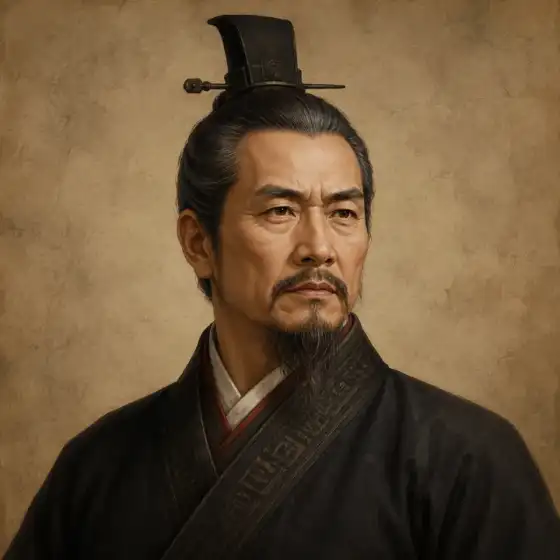
Li Si was a Qin Dynasty chancellor and one of the most important statesmen in early imperial China. He helped Qin Shi Huang turn military conquest into a centralized empire, supported standardization across the realm, and later joined Zhao Gao in the succession crisis after the First Emperor's death. His career ended in execution in 208 BCE, making him both a builder of Qin power and a warning about court politics.
Key Facts
- Chinese Name
- 李斯
- Pronunciation
- Lǐ Sī
- Identity
- Qin chancellor and Legalist statesman
- Ethnic Affiliation
- Chu-born Huaxia elite; modern ethnicity labels do not apply cleanly
- Lived
- c. 280-208 BCE
- Dynasty
- Qin Dynasty
- Known For
- Memorial Against Expelling Guest Ministers, centralization, standardization, Shaqiu succession crisis
- Historical Role
- Major architect of Qin imperial government
Quick Answer
Li Si was a Qin Dynasty statesman who rose from a minor official background to become chancellor. He supported centralized rule, helped shape Qin institutions, and later joined Zhao Gao in backing Huhai as Qin Er Shi.
That choice tied him to one of the most damaging succession crises in Chinese history.
What Did Li Si Do for the Qin Dynasty?
Li Si helped Qin turn conquest into government. His most important work was not battlefield command, but policy, law, writing, administration, and court strategy.
For beginners, four actions matter most:
- He defended Qin's use of talented officials from outside Qin.
- He supported centralized rule through commanderies and counties instead of a revived feudal order.
- He helped standardize writing and administrative practice across the empire.
- He joined Zhao Gao in the decision that placed Huhai on the throne after Qin Shi Huang's death.
Early Life
Li Si came from Shangcai in the state of Chu. Early stories describe him as a minor clerk who became painfully aware that position shaped destiny.
He studied under Xunzi, a thinker who emphasized order, ritual, and institutions. Li Si later turned that concern for order toward Qin-style Legalist politics.
Rise to Power
Li Si went to Qin because Qin offered the largest political stage. He first entered the circle of Lü Buwei, then gained access to Ying Zheng, the future Qin Shi Huang.
His key breakthrough was the Memorial Against Expelling Guest Ministers. When Qin considered driving out foreign-born advisers, Li Si argued that Qin's greatness depended on using talent from everywhere.
For the story-driven version of this rise, read Li Si Rises From Minor Clerk to Qin Chancellor.
Timeline
c. 280 BCE
Li Si is born in Chu
He begins far from the Qin court.
Warring States era
He studies under Xunzi
His ideas about order and government mature.
Late Warring States
He enters Qin
He joins Lü Buwei's circle and then Qin politics.
Before 221 BCE
He writes the Memorial Against Expelling Guest Ministers
The memorial helps preserve Qin's open use of outside talent.
After 221 BCE
He helps shape Qin imperial government
Li Si supports centralization and standardization.
210 BCE
He joins the Shaqiu succession decision
Li Si and Zhao Gao support Huhai instead of Fusu.
208 BCE
He is executed
Zhao Gao turns against him under Qin Er Shi.
Major Achievements
1. He defended foreign-born talent in Qin
Li Si argued that Qin had always benefited from outsiders. This helped him and other non-Qin talents remain useful to the state.
2. He supported centralized administration
After unification, Li Si opposed reviving a broad feudal order and supported commanderies and counties under central control.
3. He helped standardize the empire
Li Si is closely associated with the standardization of writing and administrative practice, which made the new empire easier to govern.
4. He shaped Qin political culture
Li Si turned ideas about law, order, and control into practical tools of imperial government.
Why Is Li Si Important?
Li Si matters because he shows that Qin empire was not built by generals alone. It also required ministers who could organize conquest into institutions.
He also matters because his career shows the danger of power without moral limits. His short-term choices helped him rise, but they also tied him to Qin's collapse.
Important People Around Li Si
1. Qin Shi Huang
Qin Shi Huang gave Li Si the setting in which his ideas could become imperial policy.
2. Lü Buwei
Lü Buwei helped open Li Si's route into Qin politics.
3. Han Fei
Han Fei was Li Si's fellow student under Xunzi and later a threatening rival in Legalist thought.
4. Zhao Gao
Zhao Gao first cooperated with Li Si in the succession crisis, then destroyed him.
Mistakes and Controversies
Li Si's controversies are serious. Traditional accounts link him to Han Fei's death, the book-burning policy, and the decision to support Huhai instead of Fusu.
The succession decision was especially damaging. By choosing short-term security over a more stable succession, Li Si helped open the door to Zhao Gao's control of Qin Er Shi.
Sources and Historical Tradition
Li Si is known mainly through Sima Qian's Shiji. The text presents him as brilliant, ambitious, useful, and morally compromised.
That mixed portrayal is important. Li Si was not merely a villain, but he was also not just a capable administrator. His life shows how talent can serve a dangerous political machine.
Death and Legacy
Under Qin Er Shi, Zhao Gao accused Li Si of treason. Li Si was executed by waist-cutting in 208 BCE, and his family was destroyed.
His death was bitterly ironic. A man who helped build Qin's legal and administrative power died inside the same system of fear and punishment.
Simple Summary
- Li Si was a major Qin chancellor.
- He helped defend Qin's use of outside talent.
- He supported centralization and standardization after unification.
- He was involved in major controversies, including the succession crisis.
- Zhao Gao later destroyed him under Qin Er Shi.
FAQ
Who was Li Si?
Li Si was a Qin statesman and chancellor who helped shape Qin imperial government under Qin Shi Huang.
What was Li Si famous for?
He is famous for the Memorial Against Expelling Guest Ministers, support for centralization, standardization, and his role in the Qin succession crisis.
Why is Li Si controversial?
He is linked to harsh Qin policies, Han Fei's death, book burning, and the decision to support Huhai after Qin Shi Huang died.
How did Li Si die?
He was accused by Zhao Gao and executed under Qin Er Shi in 208 BCE.
Was Li Si good or bad?
Li Si was both highly capable and morally controversial. He helped build Qin's centralized empire, but traditional accounts also connect him to harsh policies, Han Fei's death, and the succession crisis that weakened Qin.
How was Li Si connected to Qin Shi Huang?
Li Si served Qin Shi Huang as a major minister and helped turn Qin's conquest into an imperial system through centralization, standardization, and administrative policy.