People
Zhuge Liang Explained: Strategy, Shu Han, and Legacy
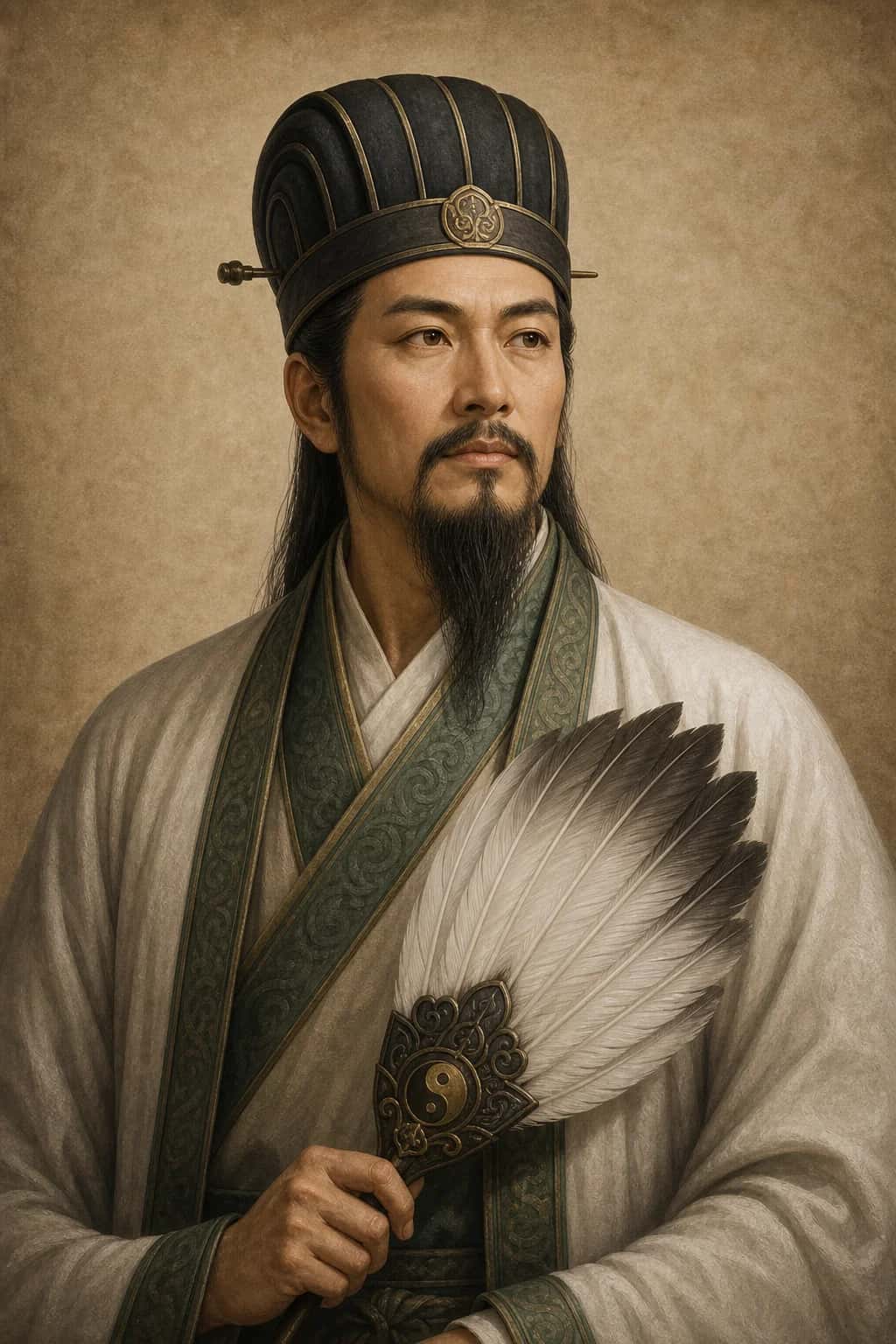
Zhuge Liang was the chancellor of Shu Han, adviser to Liu Bei, and one of the most admired statesmen in Chinese memory. Historically, he helped shape Shu strategy, governed the state after Liu Bei's death, and led repeated northern campaigns. Culturally, he became a symbol of wisdom, discipline, and loyal service.
Key Facts
- Identity
- Shu Han chancellor, strategist, administrator, and commander
- Chinese Name
- 诸葛亮
- Pronunciation
- Zhūgě Liàng
- Lived
- 181-234 CE
- Dynasty
- Late Han and Shu Han
- Known For
- the Longzhong strategy, service to Liu Bei, the Baidicheng entrustment, and the Northern Expeditions
- Historical Role
- He kept Shu Han politically stable and gave it a long-term strategic purpose after Liu Bei's death.
Quick Answer
Zhuge Liang was the most important minister of Shu Han. He served Liu Bei, then governed under Liu Shan after Liu Bei died.
He is famous in history for administration and strategy, and famous in literature as an almost legendary master of intelligence.
Early Life
Zhuge Liang grew up during the violent collapse of late Han order. He later lived in the Jing Province region, where he studied, farmed, and watched the wider political situation.
At that time, Liu Bei had reputation and loyal followers, but he lacked a stable long-term strategy. Zhuge Liang's value was that he could place Liu Bei's cause inside the larger map of the empire.
Rise to Power
The famous Three Visits to the Thatched Cottage story marks Zhuge Liang's entrance into Liu Bei's circle. In later tradition, Liu Bei visited him repeatedly before persuading him to serve.
Zhuge Liang is associated with the Longzhong strategy: ally with Sun Quan, resist Cao Cao, take Jing and Yi provinces, and wait for a chance to move north.
Timeline
181 CE
Zhuge Liang was born
He came from the Zhuge family of Langya and later lived in Jing Province.
c. 207 CE
Liu Bei visited him
Zhuge Liang entered Liu Bei's circle and offered a long-term strategic vision.
221 CE
Shu Han was founded
Zhuge Liang became one of the state's central ministers.
223 CE
Liu Bei entrusted state affairs to him
Zhuge Liang became the main steward of Shu Han under Liu Shan.
227 CE onward
He led northern campaigns
He tried to keep pressure on Wei and preserve Shu's political mission.
234 CE
He died at Wuzhang Plains
His death removed Shu Han's strongest governing figure.
Major Achievements
1. He gave Liu Bei a strategic framework
Zhuge Liang helped turn Liu Bei's survival politics into a long-term plan. The Longzhong strategy explained how Shu could survive between Wei and Wu.
2. He governed Shu Han
After Liu Bei's death, Zhuge Liang managed administration, finance, appointments, law, and military policy. Shu was smaller than Wei, but his government kept it relatively stable.
3. He restored the Wu-Shu alliance
After Guan Yu's death and Liu Bei's defeat at Yiling, relations with Wu were badly damaged. Zhuge Liang helped repair the alliance so Shu would not face both Wei and Wu at once.
4. He led the Northern Expeditions
Zhuge Liang repeatedly campaigned against Wei. He did not recover the central plains, but the campaigns kept Shu Han active and preserved its claim to the Han legacy.
Why Is Zhuge Liang Important?
Zhuge Liang matters because he turned Shu Han from Liu Bei's personal cause into a functioning state. He was adviser, administrator, diplomat, and commander.
He also became one of China's great symbols of loyal service. Later generations used his name when speaking about wisdom, discipline, and doing one's duty to the end.
Important People Around Zhuge Liang
1. Liu Bei
Liu Bei gave Zhuge Liang the political stage. The Three Visits and the Baidicheng entrustment became the two defining scenes in their relationship.
2. Liu Shan
Liu Shan was the ruler Zhuge Liang served after Liu Bei's death. Zhuge Liang had to govern in the name of a weaker monarch while keeping Shu stable.
3. Sima Yi
Sima Yi became Zhuge Liang's most famous Wei opponent during the later northern campaigns. Their rivalry became even more dramatic in later storytelling.
Mistakes and Controversies
The main debate around Zhuge Liang is the Northern Expeditions. Supporters argue that Shu needed active pressure against Wei to preserve legitimacy and avoid strategic suffocation.
Critics argue that repeated campaigns strained a small state. Both views have force. Shu Han was weaker than Wei, but doing nothing was not necessarily safer.
Sources and Historical Tradition
Zhuge Liang's historical image comes mainly from the Records of the Three Kingdoms and Pei Songzhi's commentary. Chen Shou, the historian, respected his administrative ability.
Later Romance of the Three Kingdoms greatly expanded Zhuge Liang's legendary intelligence. Stories such as the Empty Fort Strategy are part of literary memory and should not be treated as simple historical fact.
Death and Legacy
Zhuge Liang died in 234 CE during a northern campaign at Wuzhang Plains. After his death, Shu Han lost its strongest administrator and strategic mind.
He is remembered not only for talent, but for the posture of loyal service: carrying a difficult state as far as he could under limited conditions.
Simple Summary
- Zhuge Liang was the chancellor and chief minister of Shu Han.
- He helped Liu Bei define a long-term strategy.
- After Liu Bei's death, he governed under Liu Shan.
- His northern campaigns failed to recover the north but kept Shu's mission alive.
- Later tradition made him a symbol of wisdom and loyalty.
FAQ
Who was Zhuge Liang?
Zhuge Liang was the chancellor of Shu Han, adviser to Liu Bei, and one of the most famous strategists in Chinese history.
Why is Zhuge Liang famous?
He is famous for strategy, administration, loyal service to Shu Han, and later literary stories that made him a symbol of wisdom.
Did Zhuge Liang's Northern Expeditions succeed?
They did not conquer Wei or restore Han rule, but they maintained Shu Han's strategic pressure and political mission.