People
Emperor Wu of Han: Expansion, Reform, and Legacy
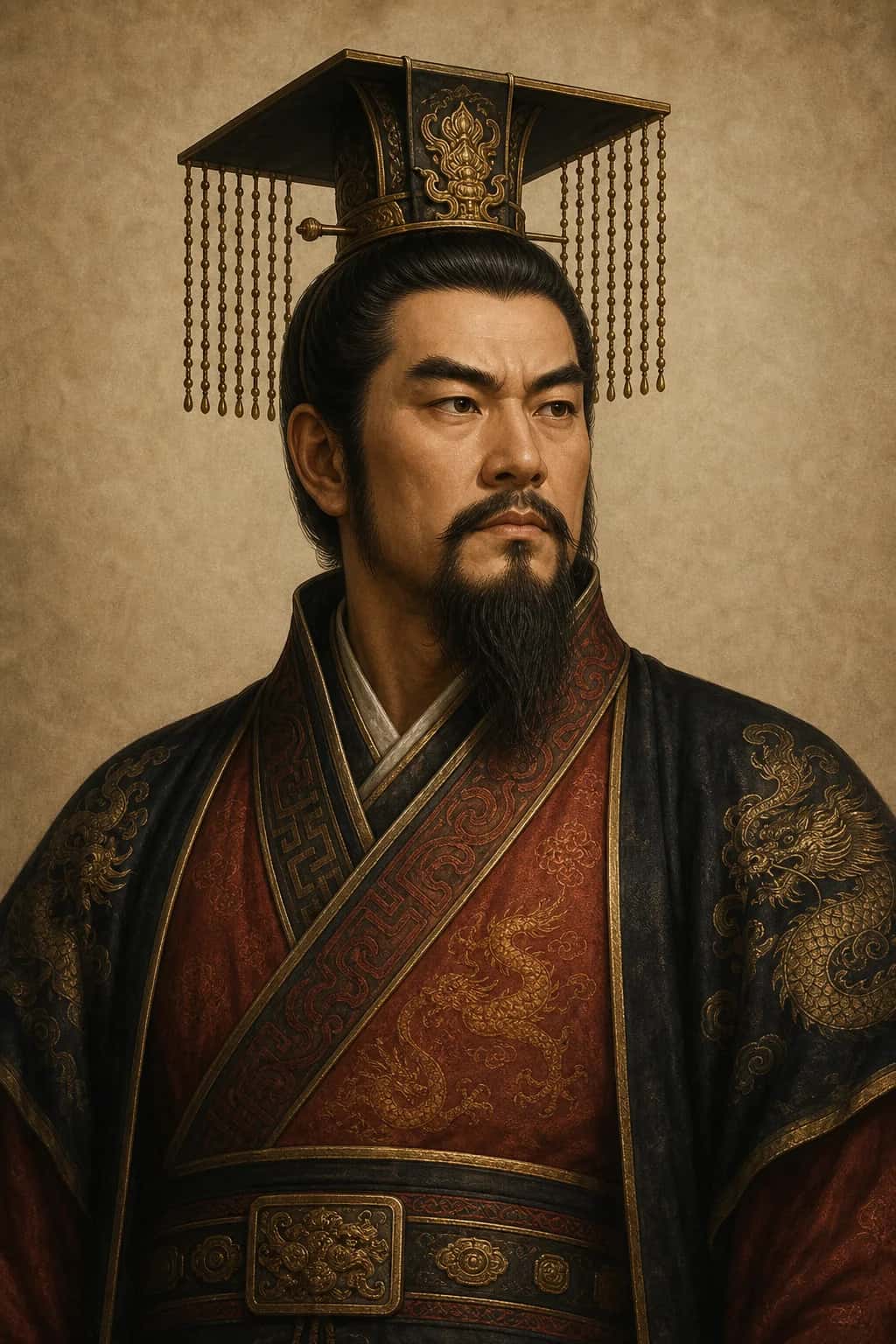
Emperor Wu of Han (Liu Che, 刘彻) was one of the most powerful and controversial rulers of the Western Han Dynasty. He inherited the wealth built under earlier Han recovery policies and used it to push the empire outward, strengthen the court, and reshape what later readers imagined as a strong Han state.
His reign cannot be reduced to simple praise. Emperor Wu made Han power larger and more ambitious, but his wars, fiscal controls, harsh officials, and late-life political disasters also placed heavy pressure on society. To understand him, read achievement and cost together.
For the larger sequence, place him after Emperor Jing of Han, before Emperor Zhao of Han, and inside the broader Han Dynasty guide.
Key Facts
- Identity
- seventh emperor of Western Han and one of the most influential rulers in Chinese history
- Lived
- 156-87 BCE
- Reign
- 141-87 BCE
- Emperor Order
- Han emperor number 7; Western Han emperor number 7
- Best Known For
- Xiongnu campaigns, Zhang Qian's western missions, state monopolies, and stronger central control
- Historical Role
- He turned Western Han from a recovering dynasty into an assertive imperial power, while exposing the costs of that transformation.
Quick Answer
Emperor Wu of Han was the Western Han ruler who turned accumulated early Han strength into expansion, reform, and imperial ambition. His armies fought the Xiongnu, his envoys opened deeper contact with the Western Regions, and his government drew more resources into the hands of the central state.
The same reign also created serious strain. Long campaigns, fiscal intervention, severe officials, and the witchcraft crisis near the end of his life made Emperor Wu a ruler whose legacy is both grand and uneasy.
Early Life and Accession
Liu Che was a son of Emperor Jing of Han and Lady Wang. He was not simply born into an uncontested future. Western Han court succession involved palace politics, family alliances, and shifting favor before he became crown prince.
In 141 BCE, Emperor Jing died and Liu Che took the throne. He inherited a state strengthened by the lighter policies associated with Emperors Wen and Jing. Population, agriculture, and the treasury had recovered enough to give the new ruler room for more aggressive choices.
How Emperor Wu Changed Han Policy
Early Western Han rulers often tried to conserve strength. Emperor Wu changed the tone of the dynasty. Instead of only defending the frontier and preserving internal recovery, he pushed the court toward active military, diplomatic, and fiscal expansion.
That shift is the key to his reign. Emperor Wu did not invent Han power from nothing. He converted stored resources into a more commanding state, and then had to keep feeding that state with money, labor, horses, officials, and political loyalty.
Timeline
156 BCE
Liu Che was born
141 BCE
He became Emperor Wu of Han
Early reign
The court strengthened central control and prepared for more active policy
Mid-reign
Generals such as Wei Qing and Huo Qubing campaigned against the Xiongnu
Emperor Wu's reign
Zhang Qian's missions expanded Han knowledge of the Western Regions
Late reign
Fiscal pressure, harsh politics, and the witchcraft crisis darkened the legacy of expansion
87 BCE
Emperor Wu died and Emperor Zhao succeeded him under regency
Major Achievements
Campaigns Against the Xiongnu
Emperor Wu is closely associated with the Han shift from accommodation and defense toward major campaigns against the Xiongnu. Generals such as Wei Qing and Huo Qubing pushed Han military power deep into the northern frontier world.
These campaigns changed the balance between Han and the steppe. They also required enormous resources. Horses, soldiers, supplies, and frontier administration all had to be sustained over time.
Western Missions and the Silk Road Context
Zhang Qian's missions to the west helped the Han court understand regions beyond its earlier diplomatic horizon. These journeys did not create the Silk Road in a single moment, but they became part of the long process that connected Han China more clearly with Central Asia.
For beginners, this matters because Emperor Wu's reign made Han history feel less inward-looking. The dynasty began to imagine security, prestige, and trade across a much wider map.
Fiscal Reform and State Power
Expansion demanded money. Emperor Wu's government used policies such as salt and iron monopolies, transport coordination, and price-stabilizing measures to increase the state's ability to gather and move resources.
These policies strengthened central power, but they also became controversial. Later debates about state control and private livelihood often looked back to this period as a key example.
A New Image of Imperial Han
Emperor Wu helped define the memory of a forceful Han empire. Military reach, court ambition, Confucian learning, frontier command, and state finance all became more tightly connected during his reign.
That image influenced later Chinese political memory. When later readers imagined a powerful Han, Emperor Wu was often near the center of that picture.
Costs and Controversies
The cost of Emperor Wu's reign was not a side note. Long wars strained common people, the treasury, and the bureaucracy. Harsh officials and aggressive fiscal policies could make the state feel powerful from the capital but heavy from below.
His late years also brought the witchcraft crisis, a traumatic political disaster involving Crown Prince Liu Ju and many others. This episode makes it impossible to read the reign only as a story of glory.
Some later traditions also remember signs of regret and policy reflection near the end of his life. Whether read as repentance, adjustment, or political necessity, the late reign shows that expansion had reached painful limits.
People Around Emperor Wu
Wei Qing and Huo Qubing were the most famous generals of the Xiongnu wars. Their victories gave Emperor Wu's frontier policy its dramatic military face.
Zhang Qian mattered in a different way. His journeys helped connect Han strategy with the Western Regions and gave the court new geographic knowledge.
Sima Qian, the historian behind the Shiji, lived close to Emperor Wu's age and preserved many of the people and tensions that make this reign so vivid. Huo Guang, entrusted near the end of the reign, shaped the politics of the next emperor.
Why Emperor Wu Still Matters
Emperor Wu matters because he shows how a dynasty can become stronger and more burdened at the same time. He expanded Han influence, strengthened the state, and changed the empire's horizons. He also left behind fiscal strain, political fear, and a warning about imperial overreach.
That is why his page should not be read as a simple biography of a famous ruler. It is a guide to one of the central tensions in Chinese imperial history: how much power a state can mobilize, and what that mobilization costs.
Reading and Verification Notes
The best way to read Emperor Wu is to compare three layers: the strong empire he built, the resources that made it possible, and the human cost that followed. This page keeps those layers together so the reign does not become either a victory poster or a one-sided criticism.
For chronology, use the Han emperors timeline. For the dynastic setting, use the Han Dynasty guide.
Historical Sources and Traditional Memory
Emperor Wu's reign is mainly known through traditional histories such as the Shiji and the Book of Han. These sources are essential, but they also preserve court judgments, moral criticism, and later dynastic framing.
A careful English account should therefore distinguish the broad historical pattern from dramatic later memory. Emperor Wu was a major state-builder, but the sources also make clear that state-building was not painless.
Simple Summary
- Emperor Wu of Han ruled Western Han from 141 to 87 BCE.
- He expanded Han power through Xiongnu campaigns and western diplomacy.
- His government strengthened central control and fiscal capacity.
- His reign also created heavy military, social, and political costs.
- His legacy is powerful because it combines imperial achievement with real danger.
FAQ
Who was Emperor Wu of Han?
Emperor Wu of Han was the seventh emperor of Western Han and one of the most influential rulers in Chinese history. He is best known for expansion, fiscal reform, and stronger central power.
Why is Emperor Wu of Han important?
He changed Han from a recovering dynasty into an assertive empire. His reign shaped later memories of Han strength, but it also showed the costs of long war and heavy state mobilization.
What did Emperor Wu do against the Xiongnu?
He sent major Han armies against the Xiongnu, especially under generals such as Wei Qing and Huo Qubing. These campaigns expanded Han influence but required huge resources.
Was Emperor Wu of Han a good emperor?
He was highly capable and historically important, but not simple to judge. His achievements were enormous, and so were the costs of his wars, fiscal policies, and late-reign political crisis.