People
Emperor Zhao of Han: Huo Guang and Post-Wu Recovery
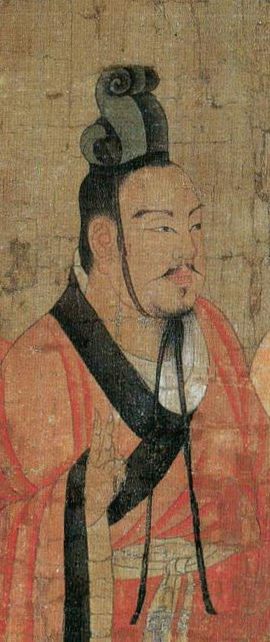
Emperor Zhao of Han (Liu Fuling, 刘弗陵) was the young son chosen to succeed Emperor Wu after the heavy military and political pressures of Wu's late reign. Because he came to the throne as a child, real government depended on regents, especially Huo Guang.
His reign matters because Western Han could not continue indefinitely at Emperor Wu's level of expansion and strain. Under regency, the court began adjusting policy, preserving stability, and preparing the way for the later strength of Emperor Xuan.
Read him with Emperor Wu of Han, Deposed Emperor of Han, and Emperor Xuan of Han.
Key Facts
- Identity
- eighth emperor of Western Han and child successor to Emperor Wu
- Lived
- 94-74 BCE
- Reign
- 87-74 BCE
- Emperor Order
- Han emperor number 8; Western Han emperor number 8
- Best Known For
- child succession, Huo Guang's regency, and policy adjustment after Emperor Wu
- Historical Role
- He provided dynastic continuity while regents guided Western Han away from the exhaustion of Emperor Wu's final years.
Quick Answer
Emperor Zhao of Han was the young Western Han ruler who succeeded Emperor Wu in 87 BCE. Because he was still a child, Huo Guang and other appointed ministers handled the main business of government.
His reign is important less for personal rule than for transition. Western Han moved from the pressure of Emperor Wu's expansion toward a period of adjustment, recovery, and regency politics.
Early Life and Succession
Liu Fuling was born late in Emperor Wu's reign. The succession had been shaken by the downfall and death of Crown Prince Liu Ju during the witchcraft crisis.
Before Emperor Wu died, he selected Liu Fuling as heir and arranged for senior ministers, including Huo Guang, to assist the young ruler. That decision shaped the whole reign.
Timeline
94 BCE
Liu Fuling was born
87 BCE
Emperor Wu died and Liu Fuling became Emperor Zhao
Emperor Zhao's reign
Huo Guang and other ministers governed as regents
Mid-reign
Western Han adjusted after the costs of Emperor Wu's final decades
74 BCE
Emperor Zhao died without a son
Huo Guang's Regency
Huo Guang was the central political figure of Emperor Zhao's reign. As regent, he represented the authority Emperor Wu had left behind, but he also had to help the dynasty govern after Emperor Wu's most costly policies.
Regency could provide stability for a child emperor. It also meant that the emperor's formal position and practical decision-making were not the same thing. In Emperor Zhao's case, that distinction is essential.
Adjusting After Emperor Wu
Emperor Wu had expanded Han influence, strengthened the state, and fought long frontier wars. Those achievements came with heavy fiscal and social costs.
The Zhao era is important because the court could not simply keep accelerating. Policy had to become more careful. Later memory links this period with the beginning of recovery after Emperor Wu's final pressures.
Why Emperor Zhao Still Matters
Emperor Zhao matters because dynastic continuity itself was valuable. A young ruler under regency helped Western Han avoid immediate collapse after a demanding and traumatic late-Wu transition.
His death without a son created the next succession crisis. Huo Guang first chose Liu He, then removed him and supported Liu Xun, the future Emperor Xuan. That sequence makes Emperor Zhao a necessary bridge between Emperor Wu and the Zhao-Xuan recovery.
Complexity and Caution
Emperor Zhao should not be treated as if every policy of the reign came from his own personal decision. He was young, and Huo Guang held the main power.
At the same time, it would be wrong to dismiss the reign as empty. The throne remained legitimate, and that legitimacy gave Huo Guang's regency the frame it needed to preserve the dynasty.
Reading and Verification Notes
Read Emperor Zhao by separating three layers: Emperor Wu's succession arrangement, Huo Guang's regency, and Western Han's post-expansion adjustment.
For a wider sequence, use the Han emperors timeline. For the next major recovery ruler, continue to Emperor Xuan of Han.
Historical Sources and Traditional Memory
Emperor Zhao's reign is mainly recorded in the Book of Han. It also depends on the political background preserved around Emperor Wu's final years in the Shiji.
The sources naturally focus more on Huo Guang and court policy than on the young emperor's personal action. This page follows that balance and avoids overstating Emperor Zhao's direct role.
Simple Summary
- Emperor Zhao of Han ruled Western Han from 87 to 74 BCE.
- He was Emperor Wu's young son and chosen heir.
- Huo Guang was the central regent during his reign.
- The court adjusted after Emperor Wu's costly final decades.
- His death led to Liu He's brief accession and then Emperor Xuan's rise.
FAQ
Who was Emperor Zhao of Han?
Emperor Zhao of Han was the eighth emperor of Western Han and a young son of Emperor Wu. His personal name was Liu Fuling.
Who held power during Emperor Zhao's reign?
Huo Guang was the most important regent during Emperor Zhao's reign, because the emperor came to the throne as a child.
Why is Emperor Zhao of Han important?
His reign preserved Western Han after Emperor Wu and began the adjustment that led toward the Zhao-Xuan recovery.
Who ruled after Emperor Zhao of Han?
After Emperor Zhao died without a son, Huo Guang first installed Liu He, who was soon deposed, and then supported Emperor Xuan.