People
Emperor Xuan of Han: Recovery After Emperor Wu
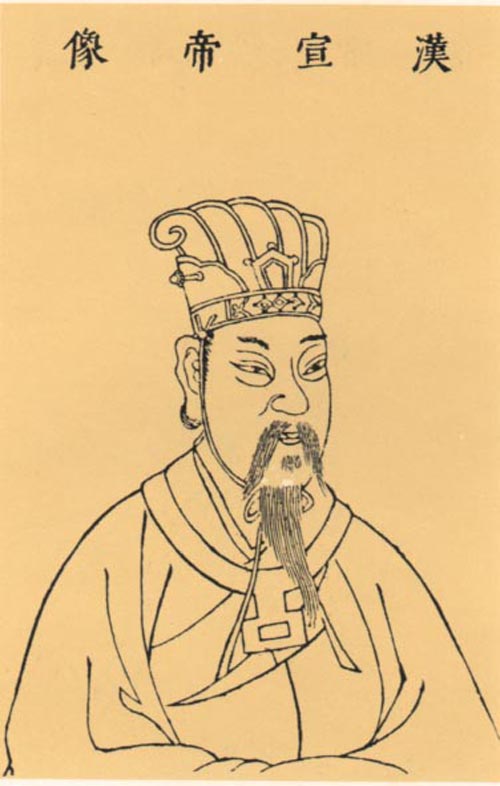
Emperor Xuan of Han (Liu Xun, 刘询), originally named Liu Bingyi, was one of the strongest later rulers of Western Han. His life began under the shadow of Emperor Wu's witchcraft crisis, but he survived, grew up outside the palace center, and eventually became emperor after Huo Guang removed Liu He.
His reign matters because it helped Western Han recover after the pressure of Emperor Wu's final years and the long influence of regency politics. Emperor Xuan was not famous for huge expansion. He was remembered for practical rule, stronger imperial control, and the stability associated with the Zhao-Xuan recovery.
Read him with Deposed Emperor of Han, Emperor Yuan of Han, and the Han Dynasty guide.
Key Facts
- Identity
- tenth emperor of Western Han and key ruler of the Zhao-Xuan recovery
- Lived
- 91-49 BCE
- Reign
- 74-49 BCE
- Emperor Order
- Han emperor number 10; Western Han emperor number 10
- Best Known For
- surviving palace disaster, being elevated by Huo Guang, ruling directly, and restoring Western Han strength
- Historical Role
- He brought practical authority back to the throne after regency and helped Western Han reach a later period of stability.
Quick Answer
Emperor Xuan of Han was a Western Han ruler who rose from an unusually dangerous background to become one of the dynasty's most capable emperors. He survived the political aftermath of the witchcraft crisis, was raised away from normal palace privilege, and was chosen after Liu He was deposed.
After Huo Guang's death, Emperor Xuan gradually ruled in his own right, dealt with the Huo clan, strengthened administration, and became central to the period often called the Zhao-Xuan recovery.
Early Life Outside the Palace Center
Liu Xun was connected to the line of Crown Prince Liu Ju, whose family was destroyed in the witchcraft crisis under Emperor Wu. That disaster made Liu Xun's childhood politically dangerous from the start.
He survived and grew up outside the normal center of imperial upbringing. Later tradition often connects this experience with his practical style. Unlike many palace-raised rulers, he had some awareness of ordinary society and local administration.
Huo Guang and the Accession
After Emperor Zhao died, the powerful regent Huo Guang first placed Liu He on the throne. Liu He was soon removed, creating a sharp succession crisis.
Huo Guang then supported Liu Xun, who became Emperor Xuan in 74 BCE. At first, Huo Guang still held great authority. Emperor Xuan's early reign therefore began with imperial title on one side and regency power on the other.
Timeline
91 BCE
Liu Xun was born amid the shadow of the witchcraft crisis
74 BCE
Liu He was deposed and Liu Xun was made emperor
Early reign
Huo Guang remained the dominant political figure
After Huo Guang's death
Emperor Xuan moved toward direct rule and dealt with Huo clan power
49 BCE
Emperor Xuan died and Emperor Yuan succeeded him
Personal Rule and the Huo Clan
Emperor Xuan's real test came after Huo Guang died. Huo had helped put him on the throne, but the Huo family remained powerful enough to challenge the emperor's independence.
The removal of Huo clan influence was both a restoration of imperial authority and a harsh political reckoning. It shows Emperor Xuan's realism. He could wait while he had to, but he did not intend to remain permanently controlled.
Practical Government
Emperor Xuan is often remembered as a ruler who valued effective administration. His reputation is linked with attention to officials, legal order, and the actual working of government rather than only court ceremony.
That style fit the moment. Western Han needed recovery after the military and political burdens of Emperor Wu's era. It also needed a ruler capable of making the throne active again after regency.
The Zhao-Xuan Recovery
The phrase Zhao-Xuan recovery usually refers to the more stable period associated with Emperor Zhao and Emperor Xuan after Emperor Wu. Under Emperor Xuan, Western Han regained strength and order without simply returning to Emperor Wu's massive expansionist style.
This is why Emperor Xuan is important for beginners. He shows that a dynasty's high point is not always loud conquest. Sometimes recovery, administrative discipline, and restored authority are just as important.
People Around Emperor Xuan
Huo Guang was the unavoidable figure at the start of Emperor Xuan's reign. He deposed Liu He, elevated Liu Xun, and remained the central power before his death.
Xu Pingjun, Emperor Xuan's early wife, is important because her fate became tied to Huo family politics. Liu He matters as the deposed predecessor whose failure opened the way for Xuan's accession.
Complexity and Caution
Traditional history often praises Emperor Xuan, and with reason. Still, his rise and rule involved political danger, removal of powerful relatives, and hard choices around court control.
He was not a passive beneficiary of Huo Guang's decision. Nor was he only a gentle restorer. He was a practical ruler who understood that stable government required the emperor to regain control from those who had governed in his name.
Reading and Verification Notes
Read Emperor Xuan through three linked issues: the witchcraft crisis legacy, the Huo Guang regency, and the restoration of effective imperial rule. These make his reign more specific than a simple "good emperor" label.
For sequence, compare him with the Han emperors timeline and with Emperor Yuan, whose reign followed and moved Western Han into a softer, more constrained political style.
Historical Sources and Traditional Memory
Emperor Xuan's reign is mainly recorded in the Book of Han. The background of Emperor Wu's late politics and the wider Western Han tradition also connects to the Shiji.
The traditional memory of the Zhao-Xuan recovery is strongly positive. A careful account should keep that assessment while still showing the political struggle behind restored stability.
Simple Summary
- Emperor Xuan of Han ruled Western Han from 74 to 49 BCE.
- He survived the aftermath of Emperor Wu's witchcraft crisis.
- Huo Guang elevated him after Liu He was deposed.
- After Huo Guang's death, Emperor Xuan restored stronger imperial authority.
- He became a key ruler of the Zhao-Xuan recovery.
FAQ
Who was Emperor Xuan of Han?
Emperor Xuan of Han was the tenth emperor of Western Han. His personal name was Liu Xun, and he was originally known as Liu Bingyi.
Why is Emperor Xuan of Han important?
He is important because he helped Western Han recover after Emperor Wu's burdens and Huo Guang's regency, restoring practical imperial rule.
What was the Zhao-Xuan recovery?
The Zhao-Xuan recovery refers to the period of renewed Western Han stability associated with Emperor Zhao and Emperor Xuan after Emperor Wu's costly final years.
How did Emperor Xuan become emperor?
After Liu He was deposed, the regent Huo Guang supported Liu Xun as the new emperor in 74 BCE.