People
Emperor Zhang of Han: Ming-Zhang Rule and Classical Learning
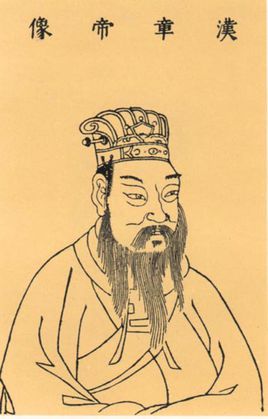
Emperor Zhang of Han (Liu Da, 刘炟) was the third emperor of Eastern Han and the son of Emperor Ming. He is remembered as a relatively gentle successor who continued early Eastern Han stability, supported classical learning, and helped form the period later called the Ming-Zhang rule.
Key Facts
- Identity
- third emperor of Eastern Han
- Chinese Name
- 刘炟
- Pronunciation
- Liú Dá
- Ethnicity
- Han Chinese
- Lived
- 57-88 CE
- Dynasty
- Eastern Han
- Known For
- Ming-Zhang rule, White Tiger Hall discussions, and early Eastern Han stability
- Historical Role
- He helped turn Liu Xiu and Emperor Ming's restoration into a more settled imperial order.
Quick Answer
Emperor Zhang of Han ruled Eastern Han from 75 to 88 CE. He followed Liu Zhuang, Emperor Ming of Han, and inherited a dynasty that had already moved beyond its founding wars.
His reign matters because it shows early Eastern Han in a stable, consolidating phase. It also shows how a peaceful reign could still leave succession and empress-family conditions that shaped later politics.
Read him with Emperor He of Han, the Han Dynasty guide, and the Han emperors timeline.
Early Life
Liu Da was born in 57 CE, around the time his father became emperor. He grew up inside an Eastern Han court that was no longer fighting for basic survival, but was still trying to consolidate the restored dynasty.
That setting shaped his role. He was not a founder like Liu Xiu and not a hard consolidator in the same style as Emperor Ming. He inherited a working state and had to preserve it.
Rise to Power
In 75 CE, Emperor Ming died and Liu Da became Emperor Zhang. The transition came at a moment when Eastern Han still had strong imperial authority, functioning administration, and active frontier policy.
Emperor Zhang's rule was generally softer than Emperor Ming's. Later tradition often treats the two reigns together as a high point of early Eastern Han governance.
Timeline
57 CE
Liu Da was born
75 CE
Emperor Ming died and Liu Da became Emperor Zhang
Emperor Zhang's reign
Eastern Han continued the stable direction later called Ming-Zhang rule
Emperor Zhang's reign
The White Tiger Hall discussions helped organize classical and ritual learning
88 CE
Emperor Zhang died and Liu Zhao became Emperor He
Major Achievements
1. Continued the Ming-Zhang Rule
Emperor Zhang's greatest achievement was continuity. He preserved the early Eastern Han stability created by Liu Xiu and strengthened by Emperor Ming.
This kind of reign can look quiet beside wars and usurpations, but it mattered for the survival of the restored dynasty.
2. Supported Classical Learning and Ritual Order
The White Tiger Hall discussions are one of the best-known cultural events associated with his reign. They brought together debates over classical learning, ritual interpretation, and political order.
For beginners, the key point is simple: Emperor Zhang's court cared about how classical knowledge explained state institutions and hierarchy.
3. Maintained Frontier Influence Without Overextension
Eastern Han still remained active toward frontier regions during this period. The state had enough confidence to maintain influence, but Emperor Zhang's reign is not remembered as a high-pressure age of conquest like Emperor Wu's Western Han.
This helped preserve the image of a stable, measured early Eastern Han court.
Why Is Emperor Zhang Important?
Emperor Zhang is important because dynasties need more than founders. They also need rulers who can turn recovery into normal government.
He also helps explain the later Eastern Han problem. After his death, Emperor He came to the throne young, and the Dou family became powerful. That makes Zhang's reign both a period of stability and a bridge into stronger empress-dowager family politics.
Important People Around Emperor Zhang
Emperor Ming was Zhang's father and the ruler whose strict consolidation formed the immediate background of Zhang's reign.
Empress Dou and the Dou family became more important after Emperor Zhang's death. Their influence shaped the early reign of Emperor He.
Emperor He, Zhang's son and successor, inherited the benefits of early Eastern Han stability along with the political pressure of powerful imperial relatives.
Mistakes and Controversies
Emperor Zhang's image is mostly positive, but his reign should not be turned into a perfect golden age. The conditions for later empress-family power were already forming around the court and succession.
This does not mean Zhang alone caused later problems. It means even stable reigns can leave structures that become difficult under a young successor.
Sources and Historical Tradition
Emperor Zhang's reign is mainly known through the Book of the Later Han. That source tradition often places him in the early Eastern Han sequence of recovery and stable rule.
The phrase Ming-Zhang rule is useful, but it is a later historical summary. It should be read as a broad judgment, not as proof that the period had no tension or future costs.
Death and Legacy
Emperor Zhang died in 88 CE. His son Liu Zhao succeeded him as Emperor He of Han.
His legacy is a stable second successor generation. He preserved early Eastern Han order and gave later historians a model of measured rule, while also leaving the political setting in which the Dou family rose.
Simple Summary
- Emperor Zhang of Han ruled Eastern Han from 75 to 88 CE.
- He continued the stability created by Liu Xiu and Emperor Ming.
- His reign is linked with the Ming-Zhang rule and White Tiger Hall discussions.
- He helped settle Eastern Han institutions and classical learning.
- After his death, empress-family politics became more visible under Emperor He.
FAQ
Who was Emperor Zhang of Han?
Emperor Zhang of Han was the third emperor of Eastern Han and the son of Emperor Ming. His personal name was Liu Da.
What was Emperor Zhang of Han known for?
He was known for continuing early Eastern Han stability, supporting classical learning, and being associated with the Ming-Zhang rule.
What was the White Tiger Hall discussion?
It was a major Eastern Han court discussion of classical learning, ritual, and political interpretation associated with Emperor Zhang's reign.
Who ruled after Emperor Zhang of Han?
His son Liu Zhao succeeded him as Emperor He of Han.