People
Li Mi: Wagang Leader in the Sui Collapse
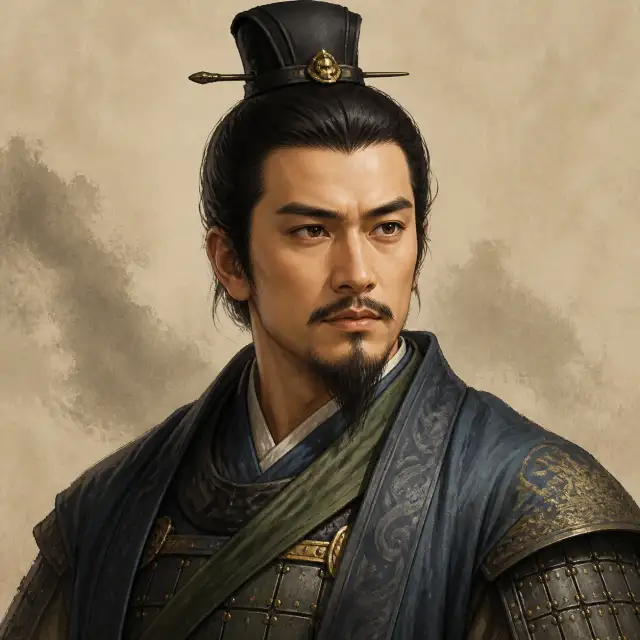
Li Mi (李密) was one of the most important leaders of the Wagang forces during the collapse of Sui. Born from an elite background, he turned rebellion into a serious political movement, threatened Luoyang, and then lost momentum after conflict with Wang Shichong.
Key Facts
- Identity
- leader of the Wagang forces and self-styled Duke of Wei
- Chinese Name
- 李密
- Pronunciation
- Lǐ Mì
- Ethnicity
- Han Chinese
- Lived
- 582-619 CE
- Dynasty
- Sui-Tang transition
- Known For
- leading Wagang, attacking Sui authority, and losing to Wang Shichong
- Historical Role
- He turned a rebel force into one of the strongest contenders in the central plains.
Quick Answer
Li Mi was a late Sui rebel leader who took command of the Wagang forces and became one of the strongest anti-Sui figures near Luoyang.
His rise was fast, but his fall was just as fast. Internal violence, military exhaustion, and defeat by Wang Shichong destroyed his chance to become a lasting founder.
Early Life
Li Mi came from an elite family connected to Northern Zhou and Sui politics. He was educated, ambitious, and interested in military strategy.
In 613, he joined Yang Xuangan's rebellion against Sui. After that failed, Li Mi escaped and entered the wider world of anti-Sui resistance.
Rise to Power
Li Mi joined the Wagang forces, originally led by Zhai Rang. He helped the group seize grain resources and transform itself from a local armed band into a political challenger.
Zhai Rang eventually yielded leadership to Li Mi. Li Mi took the title Duke of Wei and issued attacks on Yang Guang, Emperor Yang of Sui. For a time, Wagang looked like one of the strongest contenders for the central plains.
Timeline
582
Li Mi was born into an elite family
613
He joined Yang Xuangan's failed rebellion
c. 616
Li Mi joined the Wagang forces
617
He became Wagang leader and Duke of Wei
617
Li Mi killed Zhai Rang, damaging Wagang unity
618
He defeated Yuwen Huaji but was weakened
619
Li Mi failed after surrendering to Tang and was killed
Major Achievements
1. Raising Wagang to its peak
Li Mi helped Wagang become more than a local rebel force. By targeting grain stores and Luoyang, he gave it a real political direction.
2. Challenging Sui legitimacy
Li Mi openly attacked Emperor Yang's rule. His proclamations and campaigns made Wagang a visible anti-Sui power.
3. Threatening Luoyang
Luoyang was one of Sui's imperial centers. Li Mi's pressure on the city made him central to the Sui-Tang transition.
4. Defeating Yuwen Huaji
After Yuwen Huaji killed Emperor Yang and moved north, Li Mi fought and defeated him. But the victory exhausted Li Mi's forces and left him vulnerable.
Why Is Li Mi Important?
Li Mi matters because he shows how close some non-Tang contenders came to shaping the post-Sui world. For a moment, Wagang had food, military strength, and a political message.
His failure also explains Tang's path to power. Once Wang Shichong defeated Li Mi, and Tang later defeated Wang and Dou Jiande, the central plains opened.
Important People Around Li Mi
Zhai Rang was the original Wagang leader who allowed Li Mi to rise, then became Li Mi's victim.
Wang Shichong was Li Mi's key rival around Luoyang.
Yuwen Huaji indirectly created Li Mi's final opportunity and exhaustion after killing Emperor Yang of Sui.
Mistakes and Controversies
Li Mi's killing of Zhai Rang was his most damaging political mistake. It secured command in the short term but broke trust inside Wagang.
He also misjudged the moment after defeating Yuwen Huaji. His army was weakened, and Wang Shichong used that opening to strike.
Sources and Historical Tradition
Li Mi is recorded in Tang histories such as the Old Book of Tang, the New Book of Tang, and the Zizhi Tongjian.
These sources recognize his talent while emphasizing the political failures that made him lose Wagang and fail after joining Tang.
Death and Legacy
After losing to Wang Shichong, Li Mi surrendered to Tang. He later tried to break away and revive his own power, but failed and was killed in 619.
His legacy is that of a brilliant but unstable contender: one of the few late Sui rebels who briefly looked capable of taking the central plains.
Simple Summary
- Li Mi became leader of the Wagang forces.
- He came from an elite background and had real strategy.
- He threatened Luoyang and challenged Sui authority.
- Killing Zhai Rang damaged his own base.
- He lost to Wang Shichong and died after a failed break with Tang.
FAQ
Who was Li Mi?
Li Mi was a late Sui rebel leader who led the Wagang forces and became a major contender near Luoyang.
Why is Li Mi famous?
He made Wagang a powerful anti-Sui force, threatened Luoyang, and briefly seemed able to compete for the empire.
Why did Li Mi fail?
He damaged internal trust by killing Zhai Rang, lost strength after fighting Yuwen Huaji, and was then defeated by Wang Shichong.
How did Li Mi die?
After surrendering to Tang, Li Mi tried to rebel again and was killed in 619.