People
Wei Qing Explained: Han General and Xiongnu Wars
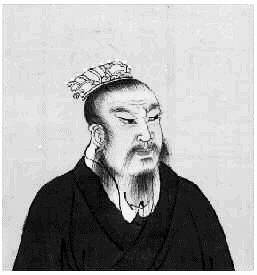
Wei Qing was one of the most important generals under Emperor Wu of Han. He became famous in the wars against the Xiongnu, especially after the Longcheng victory, and helped mark the shift from early Han defensive policy to large-scale offensive campaigns.
Key Facts
- Chinese Name
- 卫青
- Pronunciation
- Wèi Qīng
- Identity
- Western Han general and Grand General
- Lived
- unknown-106 BCE
- Dynasty
- Western Han
- Known For
- Longcheng victory, Hetao campaigns, and the Mobei campaign
- Historical Role
- core commander in Emperor Wu's wars against the Xiongnu
Quick Answer
Wei Qing was a Western Han general who became one of the leading commanders in Emperor Wu's campaigns against the Xiongnu. He is remembered for military success, high status, and a unusually cautious political style.
His career matters because it shows how Han power changed under Emperor Wu: the dynasty moved from frontier defense toward active expansion.
Early Life
Wei Qing's early status was not high. His family background was connected to the household of Princess Pingyang, and he experienced social disadvantage before rising at court.
His sister Wei Zifu later entered the palace and became favored by Emperor Wu. That connection brought the Wei family into the center of court politics.
Yet Wei Qing should not be reduced to a man who rose only through family ties. Those ties gave him an opening, but his military record made him historically important.
Rise to Power
Wei Qing's rise came at the same time as a major change in Han policy toward the Xiongnu. Earlier Western Han rulers had often relied on defense, diplomacy, and marriage alliances. Emperor Wu wanted a more aggressive strategy.
Wei Qing became one of the commanders who could carry out that shift. His victory at Longcheng around 129 BCE was especially important because it proved Han forces could strike actively beyond the defensive line.
That success turned him from a court-connected figure into a real military leader.
Timeline
Early life
Wei Qing grew up with low status
His later rise was shaped by both family connections and military opportunity.
c. 129 BCE
Longcheng victory
Wei Qing won a major early success against the Xiongnu and became a leading Han commander.
c. 127 BCE
Hetao campaigns
Han forces improved their position in the northern frontier zone.
119 BCE
Mobei campaign
Wei Qing and Huo Qubing led major northern campaigns against the Xiongnu.
106 BCE
Wei Qing died
He died with high honors and was buried near Emperor Wu's Maoling mausoleum complex.
Major Achievements
1. He helped break Han passivity toward the Xiongnu
Before Emperor Wu's reign, Han policy often focused on survival, defense, and negotiated peace. Wei Qing's early victories helped show that Han armies could operate offensively.
The Longcheng victory did not end the Xiongnu threat, but it changed confidence and strategy.
2. He helped secure the Hetao region
The Hetao region was important for frontier defense and later operations. Han success there improved the dynasty's position along the northern frontier.
This mattered beyond one battle. It shaped settlement, commandery organization, and the ability to project power.
3. He commanded in the Mobei campaign
In 119 BCE, Emperor Wu launched a major campaign deep into the north. Wei Qing and Huo Qubing led separate forces in one of the most intense phases of the Han-Xiongnu wars.
The campaign showed the scale of Han military mobilization under Emperor Wu.
4. He held power carefully
Wei Qing was not only a successful general. He was also a powerful relative of the imperial household. That combination could be dangerous.
His reputation for caution, modesty, and avoiding political display helped him survive at court and die with honor.
Why Is Wei Qing Important?
Wei Qing is important because he represents the military side of Emperor Wu's transformation of Western Han. The dynasty became more assertive, more expansionist, and more willing to spend enormous resources on frontier war.
He also reminds readers that Emperor Wu's achievement was not one man's work. It depended on generals, horses, logistics, fiscal policy, frontier settlements, and court decisions.
For the larger picture, read Wei Qing with the Han Dynasty, Emperor Wu of Han, Zhang Qian, and the series episode Wei Qing and Huo Qubing.
Important People Around Wei Qing
1. Emperor Wu of Han
Emperor Wu of Han gave Wei Qing the chance to command in an aggressive new frontier policy. Without that strategic turn, Wei Qing's military role would have been very different.
2. Wei Zifu
Wei Zifu was Wei Qing's sister and later Emperor Wu's empress. Her rise helped bring the Wei family into court power, giving Wei Qing access to opportunity.
3. Huo Qubing
Huo Qubing was Wei Qing's nephew and another famous general of the same period. Later memory often pairs them, but their images differ: Wei Qing appears steadier and more cautious, while Huo Qubing appears younger and more daring.
4. Li Guang
Li Guang was a celebrated frontier general whose career became famous for frustration and missed reward. Comparing him with Wei Qing helps readers see how talent, timing, assignments, and court politics shaped military reputation.
Mistakes and Controversies
The main complexity in Wei Qing's story is the overlap between family connection and real achievement. It is too simple to say he succeeded only because of Wei Zifu.
At the same time, it is also too simple to treat him as a general outside politics. His rise was possible because the court opened a path for him. His long survival depended on both victory and political caution.
The wars themselves also carried heavy costs. Wei Qing's victories helped strengthen Han frontier power, but Emperor Wu's campaigns required vast spending, manpower, and horses. A balanced view must hold success and cost together.
Sources and Historical Tradition
Wei Qing's career is known mainly through the Shiji and the Book of Han. These sources place him inside Emperor Wu's wars against the Xiongnu and the politics of the Han court.
Sima Qian's treatment of generals such as Wei Qing, Huo Qubing, and Li Guang is especially important because it does more than list victories. It also reveals how military reward, court favor, and reputation could shape memory.
Later tradition often remembers Wei Qing and Huo Qubing together as symbols of Han power against the Xiongnu. That pairing is useful, but readers should still place them inside state mobilization, frontier strategy, and imperial politics.
Death and Legacy
Wei Qing died in 106 BCE and was buried near the Maoling mausoleum complex of Emperor Wu. Unlike many powerful figures in imperial history, he did not leave behind a dramatic story of purge or rebellion.
That steadier ending became part of his image. He was powerful, successful, cautious, and remembered as one of the central generals of the Western Han military turn.
Simple Summary
- Wei Qing was a major Western Han general under Emperor Wu of Han.
- He helped shift Han policy against the Xiongnu from defense toward attack.
- His major achievements include Longcheng, Hetao operations, and the Mobei campaign.
- He rose through both family connection and real military success.
- His career should be read together with the costs and politics of Emperor Wu's expansion.
FAQ
Who was Wei Qing?
Wei Qing was a Western Han general and one of Emperor Wu's leading commanders in the wars against the Xiongnu.
What was Wei Qing famous for?
Wei Qing was famous for victories against the Xiongnu, including the Longcheng victory and his role in the Mobei campaign.
How was Wei Qing related to Huo Qubing?
Huo Qubing was Wei Qing's nephew. Both became famous generals under Emperor Wu of Han.
Did Wei Qing rise only because of family connections?
No. Family connections helped him gain access to the court, but his lasting reputation came from real military achievements and cautious political conduct.