People
Who Was Xia Jie? Last Xia King and Dynastic Collapse
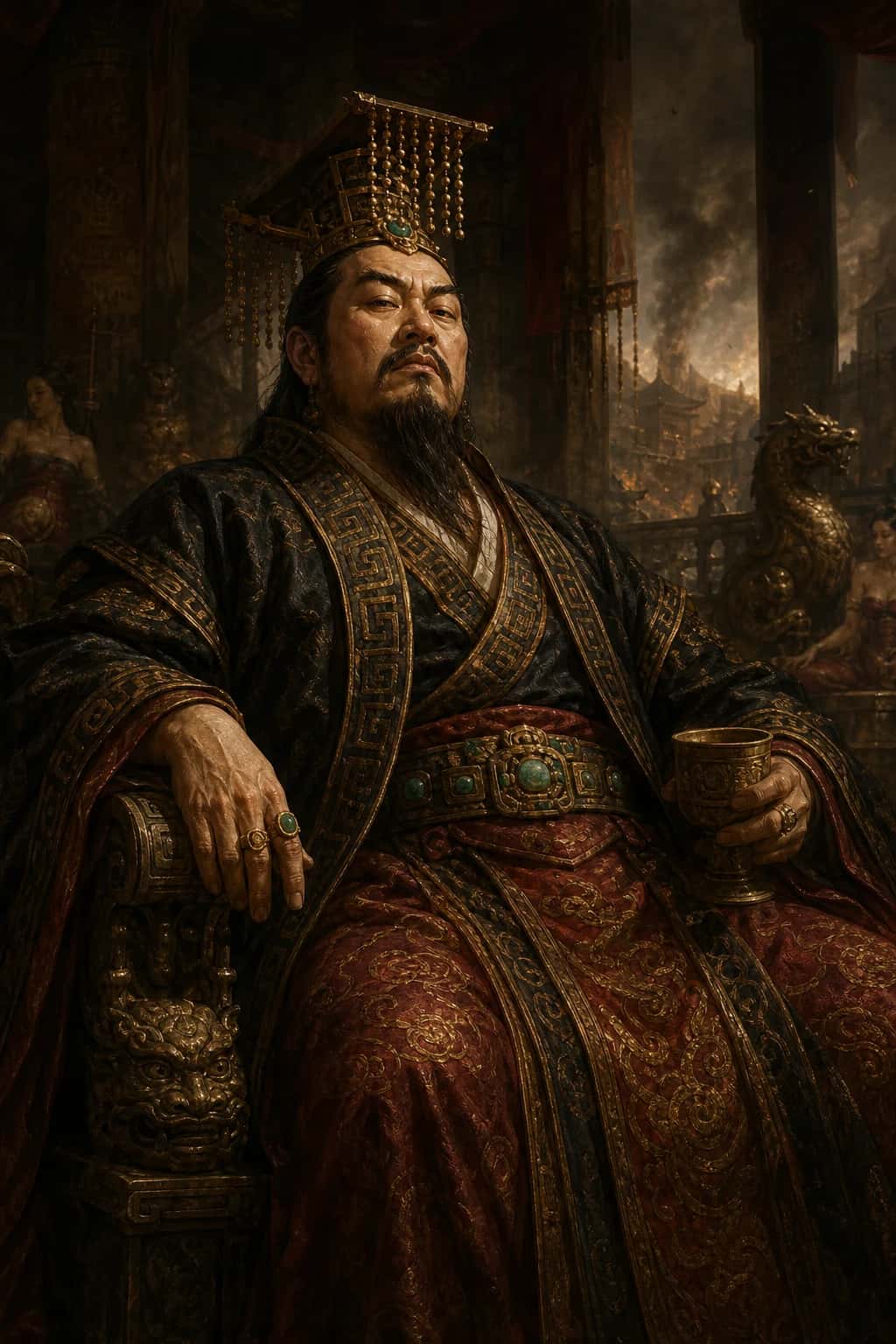
Xia Jie, also called Jie of Xia or King Jie, is remembered in traditional Chinese history as the last ruler of the Xia Dynasty. He is famous not for building a strong state, but for becoming one of the earliest warning figures in Chinese political memory. Later writers used his reign to explain how a ruling house could decay, lose support, and finally be replaced.
Key Facts
- Identity
- Traditional last ruler of the Xia Dynasty
- Lived
- Traditional late Xia era
- Dynasty
- Xia Dynasty
- Known For
- Being blamed for the fall of Xia
- Historical Role
- An early symbol of dynastic collapse in Chinese memory
Quick Answer
Xia Jie was the traditional last king of the Xia Dynasty. He is best known as the ruler later blamed for luxury, cruelty, and political failure at the end of China's first dynasty. Even though the details come from later texts, his image remained important because it helped explain why dynasties were believed to rise and fall.
Name and Pronunciation
Xia Jie is written 夏桀 in Chinese. He is also called Jie of Xia or King Jie in English. "Xia" refers to the dynasty he ruled, while "Jie" is the name by which later tradition remembered him.
Early Life
Very little reliable detail survives about Xia Jie's early life. Traditional accounts focus much more on his failures as a ruler than on his childhood, education, or early personality.
That gap matters. It shows that Xia Jie was remembered less as a fully documented historical individual and more as a political example. Later writers were interested above all in the lesson his reign was supposed to teach.
Rise to Power
Xia Jie rose to power by inheriting the throne late in the Xia line. Unlike Yu the Great, who was remembered as a founder tied to flood control and public service, Xia Jie entered the story as the man who inherited a dynasty already moving toward weakness.
Traditional narratives present his reign as the last stage of Xia decline. As his court became associated with excess and poor judgment, Shang grew stronger under Shang Tang. In later historical memory, the contrast was clear: one side looked tired and unstable, while the other looked disciplined and rising.
Timeline
Traditional late Xia era
Jie inherited rule in the final phase of Xia history
He entered power as the last ruler of the first dynasty in traditional Chinese narrative.
Traditional late Xia era
Later texts linked his reign to luxury, harshness, and weakening authority
His rule became the standard picture of a dynasty losing control from the top.
c. 1600 BCE in traditional chronology
Shang defeated Xia in the battle remembered as Mingtiao
The Xia-Shang transition was later told as the result of failed rule meeting a stronger rival.
Later memory
Xia Jie became a classic warning figure
For centuries, his name stood for dynastic decline and lost legitimacy.
Major Achievements
Xia Jie is not remembered for constructive achievements in the way founders, reformers, or successful emperors are. That absence is itself part of his historical image. Even so, his story had major long-term importance in early Chinese historical writing.
1. He became one of the earliest political warning figures
Later generations used Xia Jie as a simple example of what happens when a ruler loses restraint, damages trust, and weakens his own dynasty.
2. His fall helped define the story of dynastic collapse
The end of Xia gave historians and political thinkers an early template: a ruling house declines, support erodes, and a stronger rival replaces it. Readers can follow that broader pattern in Why Did the Xia Dynasty Fall?.
3. His image strengthened the memory of Shang's rise
Because Xia Jie was portrayed so negatively, the rise of Shang could be told as justified replacement rather than simple conquest. That is a key reason his story connects so closely with How Did the Shang Replace the Xia Dynasty?.
4. He became part of the long history of Chinese legitimacy debates
The full theory of the Mandate of Heaven came later with the Zhou, but Xia Jie's story already shows the older narrative pattern behind it: a ruler fails, and that failure becomes the reason a new power claims the right to rule.
Why Is Xia Jie Important?
Xia Jie is important because he became one of the earliest negative examples in Chinese historical memory. In that sense, he matters not only as a king at the end of Xia, but as a model later writers used to explain how dynasties lose authority.
He also matters because his story helps readers understand a lasting contrast in early Chinese tradition. Yu the Great represented order, service, and founding energy. Xia Jie represented decay, excess, and collapse. That contrast shaped the way later dynasties explained both success and failure.
For beginners, the simplest point is this: Xia Jie helps connect the story of the Xia Dynasty, the rise of the Shang Dynasty, and the larger political pattern visible across the Chinese Dynasties Timeline.
Mistakes and Controversies
Traditional sources accuse Xia Jie of luxury, cruelty, forced labor, and political blindness. Stories about his indulgence with Mo Xi reinforced the image of a ruler distracted by pleasure while the state weakened around him.
But modern readers should be careful. Much of Xia Jie's reputation comes from later transmitted texts, not from contemporary inscriptions or records created in his own lifetime. That means his story is historically important, but the exact balance between fact, moral judgment, and dynastic storytelling remains uncertain.
This is especially important for early China. The further back the story goes, the more often later writers shaped the last ruler of a fallen house into a warning symbol. Xia Jie may preserve real memory of late Xia decline, but he also survives as a literary and political type.
Sources and Historical Tradition
Most accounts of Xia Jie come from later Chinese textual tradition rather than records written during his lifetime. Early historical memory, transmitted classics, and later political writing all helped preserve the image of Xia Jie as a failed last ruler.
The broad outline is that Xia Jie was remembered as the final Xia king and the negative counterpart to Shang Tang. But many details about his cruelty, luxury, and court life should be read carefully. Later writers often used the last ruler of a fallen dynasty as a moral example, so Xia Jie's story mixes historical memory with political warning.
Death and Legacy
Traditional history says Xia Jie was defeated when Shang overthrew the Xia, with the decisive turning point usually linked to Mingtiao. After that defeat, he survives more clearly as a symbol than as a person with a detailed final biography.
His legacy was enormous. For centuries, Xia Jie stood as one of the oldest examples of a ruler blamed for losing a dynasty. Readers can connect his story with Was the Xia Dynasty Real?, compare him with Shang Tang, and follow the larger transition into the Shang Dynasty.
Simple Summary
- Xia Jie was the traditional last ruler of the Xia Dynasty.
- He is remembered as a symbol of tyranny, excess, and dynastic decline.
- Later writers used his reign to explain why Xia fell and Shang rose.
- His reputation is historically important, but many details come from later tradition.
- He became one of the earliest warning figures in Chinese political memory.
FAQ
Who was Xia Jie?
Xia Jie was the traditional last king of the Xia Dynasty. Later Chinese history remembered him as a ruler whose failures helped explain the fall of Xia.
Why is Xia Jie famous?
Xia Jie is famous as one of the earliest negative rulers in Chinese political memory. He became a warning example of luxury, cruelty, and dynastic decline.
Did Xia Jie really exist?
Xia Jie belongs to early Chinese historical tradition. His story is important, but many details come from later texts rather than records from his own lifetime.
How did Xia Jie lose power?
Traditional accounts say Xia Jie lost power when Shang Tang defeated the Xia. The fall was later remembered as the result of failed rule and rising Shang strength.
What does Xia Jie's story teach?
Xia Jie's story teaches the classic Chinese political lesson that a dynasty can lose support when its ruler becomes cruel, excessive, or unable to govern well.