People
Xue Rengui: Tang General at Goguryeo and Dafeichuan
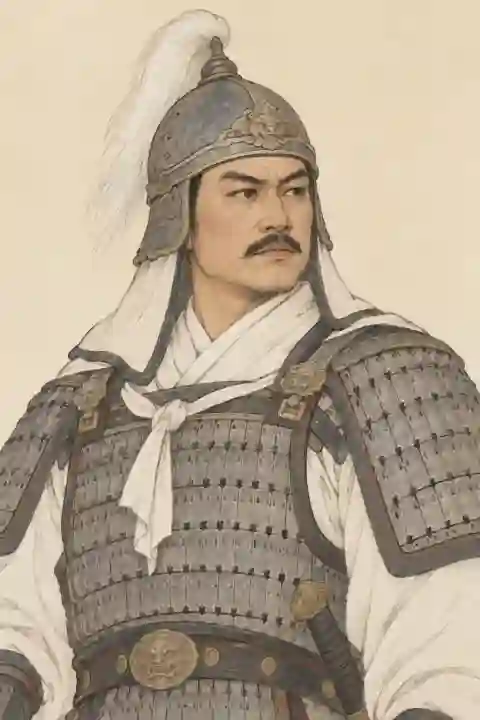
Xue Rengui (薛仁贵), born Xue Li, was a Tang general remembered for campaigns in Liaodong and against Goguryeo. Later stories turned him into a near-invincible hero in white, but his historical career also included difficult frontier administration and defeat at Dafeichuan.
Key Facts
- Identity
- Tang general and frontier commander
- Chinese Name
- 薛礼,字仁贵
- Pronunciation
- Xuē Rénguì
- Ethnicity
- Han Chinese
- Lived
- 614-683 CE
- Dynasty
- Tang Dynasty
- Known For
- campaigns against Goguryeo and service in the northeast frontier
- Historical Role
- A commander who experienced both Tang expansion and its limits.
Quick Answer
Xue Rengui became famous during Tang campaigns against Goguryeo and later helped administer the conquered northeast. He matters because his career shows that winning a campaign and holding a frontier were very different tasks.
Early Life
Xue Rengui was born in Longmen in the modern Shanxi area. He first gained notice during Emperor Taizong's 645 campaign in Liaodong. The dynasty he served had been founded by Li Yuan. The famous white-robed image has a basis in historical memory, but many dramatic details come from later fiction.
Rise to Power
Under Emperor Gaozong, Xue Rengui became a senior field commander. In the 666-668 campaign against Goguryeo, he fought in Liaodong, took Fuyu, and helped Tang forces advance toward Pyongyang.
After Goguryeo fell, he served as acting Protector-General of Andong. This placed him in charge of a difficult frontier shaped by local resistance, Silla's expansion, and long supply routes. For Gaozong's wider setting, see Li Zhi.
Timeline
614
Xue Rengui was born
645
He gained notice in the Liaodong campaign
666-668
He fought in the final Goguryeo campaigns
670
Tang was defeated at Dafeichuan
683
Xue Rengui died
Major Achievements
1. Fighting in the Goguryeo campaigns
Xue Rengui helped Tang exploit Goguryeo's internal crisis. The fall of the kingdom was a major victory, but it did not settle northeast Asia permanently.
2. Serving at Andong
His appointment after conquest shows that frontier rule required garrisons, food, diplomacy, and local administration as well as battlefield success.
3. Preserving a record of frontier limits
At Dafeichuan in 670, Tang forces were defeated by Tibet. Command disagreements and supply problems mattered, as did the demands of high-altitude warfare.
Why Is Xue Rengui Important?
Xue Rengui connects Tang's most celebrated expansion with its harder aftermath. He is a useful guide to the difference between conquering Goguryeo and sustaining control after conquest.
Important People Around Xue Rengui
Emperor Gaozong set the strategic direction of the campaigns. Li Ji led the final campaign against Goguryeo, while Xue Rengui commanded forces within it. Su Dingfang's campaigns in Baekje and Central Asia show the wider reach of Gaozong-era warfare.
Mistakes and Controversies
Dafeichuan was Xue Rengui's greatest setback. The sources describe conflict with his deputy Guo Daifeng and logistical problems. He bore command responsibility, but the defeat cannot be explained by one commander alone.
Sources and Historical Tradition
The main accounts are in the Old Book of Tang, the New Book of Tang, and the Zizhi Tongjian. Later novels and opera enlarged his white-robed hero image, so they should be separated from the historical record.
Death and Legacy
Xue Rengui died in 683. He is remembered both as a celebrated warrior and as a commander whose career reveals the costs of Tang frontier power.
Simple Summary
- Xue Rengui was a Tang frontier general.
- He fought in the campaigns that ended Goguryeo.
- He later served in the difficult northeast frontier.
- Dafeichuan shows that his career included serious defeat as well as victory.
FAQ
Who was Xue Rengui?
Xue Rengui was a Tang general known for campaigns against Goguryeo and for frontier command.
Was Xue Rengui really the white-robed general?
Historical accounts support the broad memory of a conspicuous white-clad warrior, while many popular details are later fiction.
What happened at Dafeichuan?
Tang forces were defeated by Tibet in 670 amid command disagreements, supply trouble, and difficult highland conditions.