People
Shang Yang: Qin Reforms, Legalism, and His Execution
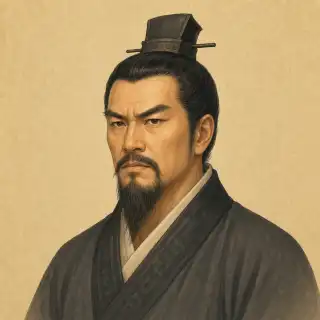
Shang Yang was the reformer who helped turn Qin into the strongest state of the Warring States period. He lived before the Qin Dynasty was founded, but his reforms created much of the state power that later allowed Qin Shi Huang to unify China.
Key Facts
- Chinese Name
- 商鞅
- Pronunciation
- Shāng Yāng
- Identity
- Qin reformer and Legalist statesman
- Lived
- c. 390-338 BCE
- Dynasty
- Qin state before imperial unification
- Known For
- Military merit ranks, strict laws, agricultural and administrative reforms
- Historical Role
- Architect of Qin's long-term strength
Quick Answer
Shang Yang was a Warring States reformer who served Duke Xiao of Qin. His laws rewarded military service, weakened hereditary privilege, strengthened state control, and made Qin far more effective in war.
Early Life
Shang Yang was born in the state of Wey and was also known as Gongsun Yang or Wei Yang. He first served in Wei, but Wei did not fully use his talent.
When Qin Duke Xiao called for capable advisers, Shang Yang moved west. Qin wanted a practical path to strength, and Shang Yang offered exactly that.
Rise to Power
Shang Yang persuaded Duke Xiao that Qin needed deep reform, not polite adjustment. Once he gained the ruler's support, he pushed through laws that changed rank, land, household registration, punishment, and military reward.
His famous "moving the wooden pole" story showed the state keeping its promise: move the pole, receive the reward. Whether every detail is exact or not, the story captures what Shang Yang wanted: law and trust in enforcement.
Timeline
c. 390 BCE
Shang Yang is born
He comes from the state of Wey.
Mid-4th century BCE
He enters Qin
He responds to Duke Xiao's search for talent.
356 BCE
First major reforms begin
Qin starts changing law, rank, households, farming, and military reward.
350 BCE
Further reforms deepen state control
Qin strengthens counties and central authority.
338 BCE
Shang Yang is executed
He loses political protection after Duke Xiao's death.
Major Achievements
1. He rewarded military merit
Shang Yang tied rank to battlefield service. This weakened old aristocratic privilege and made soldiers more eager to fight for Qin.
2. He strengthened household control
Qin society became easier for the state to register, tax, punish, and mobilize. This was harsh, but it made Qin powerful.
3. He promoted agriculture and war
The reforms pushed Qin toward farming and military service, the two foundations of state strength in the Warring States era.
4. He helped build the Qin state machine
Long before Qin Shi Huang, Shang Yang helped create the institutions that made conquest possible.
Why Is Shang Yang Important?
Shang Yang matters because Qin's rise was not accidental. Qin became strong because its leaders changed how the state governed land, soldiers, rank, and punishment.
He also matters because he shows the appeal and danger of Legalist politics. The system was effective, but it treated people mainly as units of production, discipline, and war.
For the larger setting, see the Qin Dynasty, Chinese Dynasties Timeline, and the series episodes Shang Yang Enters Qin and Shang Yang Reforms Qin.
Important People Around Shang Yang
1. Duke Xiao of Qin
Duke Xiao protected Shang Yang and gave his reforms political backing.
2. Wei Hui King
Wei failed to use Shang Yang fully, losing a talent who later strengthened Qin.
3. Qin Huiwen King
After Duke Xiao died, Shang Yang's enemies gained ground under the new ruler.
4. Qin Shi Huang
Qin Shi Huang lived much later, but he benefited from the stronger Qin system Shang Yang helped build.
Mistakes and Controversies
Shang Yang is controversial because his reforms were severe. They made Qin stronger, but they also relied on strict punishment, collective responsibility, and heavy state control.
His story is also ironic. Later tradition says he could not escape the laws he had created. Whether the detail is literal or literary, the message is clear: a harsh legal system can consume even its architect.
Sources and Historical Tradition
Shang Yang's image comes mainly from transmitted texts such as Sima Qian's Shiji and Warring States traditions. These sources remember him as both effective and ruthless.
That double memory matters. Later readers admired Qin's strength but also feared the human cost of a state built on severe law.
Death and Legacy
After Duke Xiao died, Shang Yang lost his main protector. Political enemies accused him of rebellion, and he was executed by being torn apart by chariots.
His body died, but his reforms largely survived. Qin continued on the path he had helped create, and that path eventually led to imperial unification.
Simple Summary
- Shang Yang was a major Qin reformer before the Qin Dynasty.
- His reforms rewarded military merit and strengthened state control.
- He helped make Qin powerful enough to dominate rival states.
- His policies were effective but harsh.
- He was executed, yet his system outlived him.
FAQ
Who was Shang Yang?
Shang Yang was a Warring States reformer who served Qin and helped make it much stronger through Legalist reforms.
Why were Shang Yang's reforms important?
They strengthened Qin's military, administration, agriculture, and social control, helping prepare Qin for later unification.
How did Shang Yang die?
After losing political protection, he was accused of rebellion and executed by being torn apart by chariots.
How is Shang Yang connected to Qin Shi Huang?
Shang Yang lived earlier, but his reforms created the strong Qin institutions that Qin Shi Huang later used to unify China.