Questions
Why Was the Shang Dynasty Important? 5 Reasons It Still Matters
Why was the Shang Dynasty important? The short answer is that the Shang gives early Chinese history its first large body of direct written evidence, a clearer picture of royal power, and a much stronger archaeological record than the dynasties before it.
The Shang matters for five main reasons:
- It preserves the earliest known Chinese writing in oracle bone inscriptions.
- It shows how early kingship and ancestor ritual worked together.
- It reveals a highly organized bronze culture.
- It marks a major dynastic transition between the Xia and the Zhou.
- It shaped how later Chinese political history was remembered.
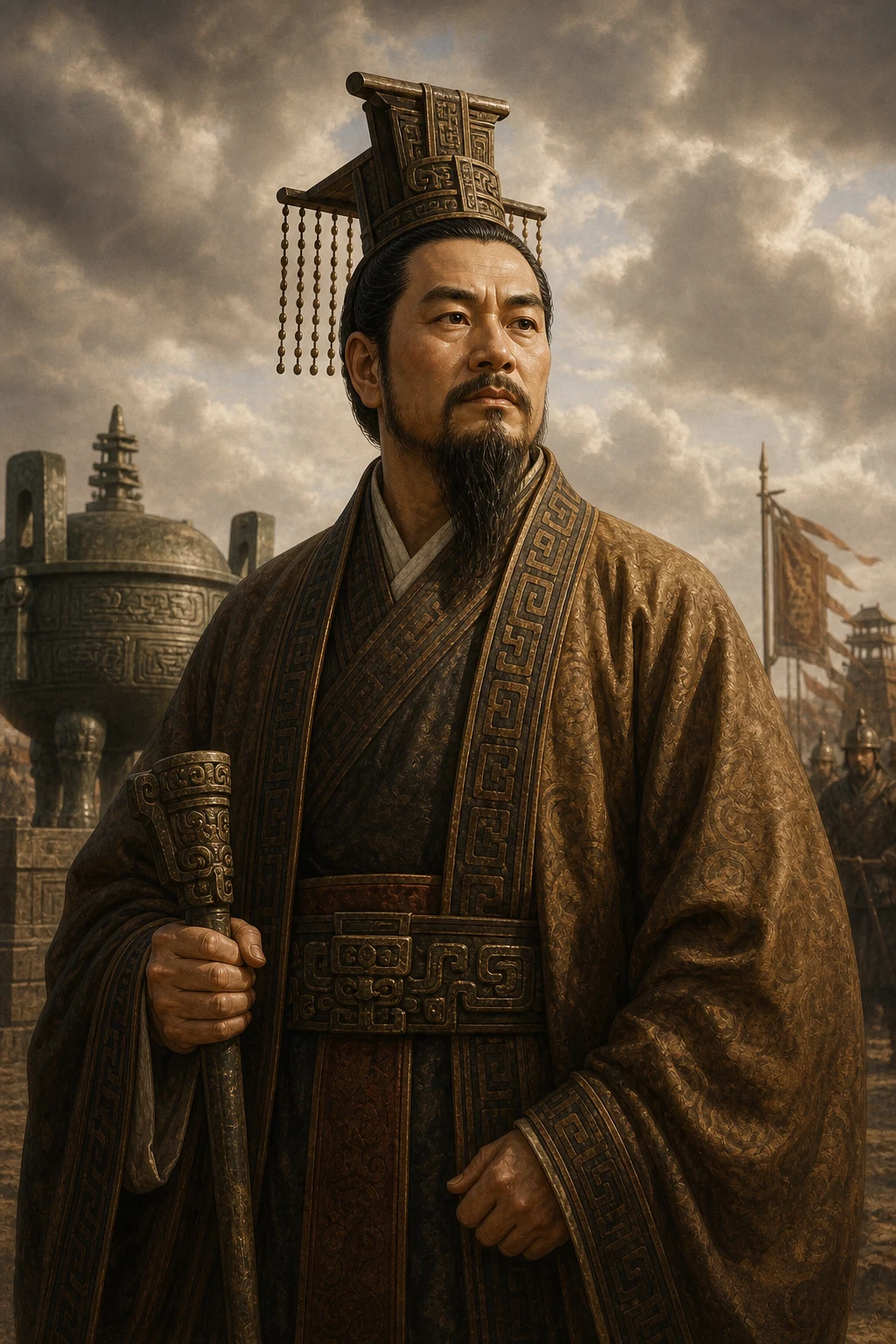
This image of Shang Tang points to one reason the Shang mattered for later memory: it gave early Chinese tradition a powerful founding story between the Xia and the Zhou.
Why the Shang matters in early Chinese history
The Shang is not important only because it was old. It matters because it is one of the earliest Chinese dynasties that historians can study through both transmitted texts and hard archaeological evidence.
That difference is huge for beginners. Earlier history often survives through later memory and debate. With the Shang, we can work with inscriptions, tombs, bronze vessels, workshop remains, and the late Shang capital at Yinxu near modern Anyang.
Five reasons the Shang still matters
1. It preserves the earliest large body of Chinese writing
Oracle bone inscriptions are one of the strongest reasons the Shang still matters. These texts were carved on ox scapulae and turtle shells after divination cracks were read at the royal court.
They record questions about war, harvests, sacrifice, weather, childbirth, and royal ancestors. Because of that, the Shang is not just a dynasty later writers described. It is a dynasty that partly speaks in its own voice.
2. It shows how early kingship actually worked
The Shang king was more than a political ruler. He was also the leading ritual figure who communicated with royal ancestors, organized sacrifice, and directed war.
This gives readers a much clearer picture of early Chinese kingship. In the Shang world, political power, military command, and religious authority were tightly connected, which helps explain how the royal house held its position.
3. It reveals a powerful bronze-age state
The Shang is also important because of its bronze culture. Large ritual vessels, weapon production, royal tombs, and workshop remains all point to a society that could gather labor, skilled craftsmen, and raw materials on a major scale.
That tells us early Chinese states were already highly organized. The Shang was not a loose tribal memory. It was a complex bronze-age kingdom with hierarchy, resource control, and an elite culture centered on ritual display.
4. It sits at a major turning point in dynastic history
The Shang stands in the middle of one of the most important early historical sequences in China: Xia, Shang, and Zhou. Its rise shows one of the earliest remembered cases of dynastic replacement, and its fall helped create the political language later associated with justified rebellion and failed rule.
That is why the Shang connects so naturally to pages about the Xia Dynasty, the Zhou Dynasty, and Why Did the Shang Dynasty Fall?. Even though the Zhou later developed a stronger language of moral rule, the fall of the Shang helped give that idea historical force.
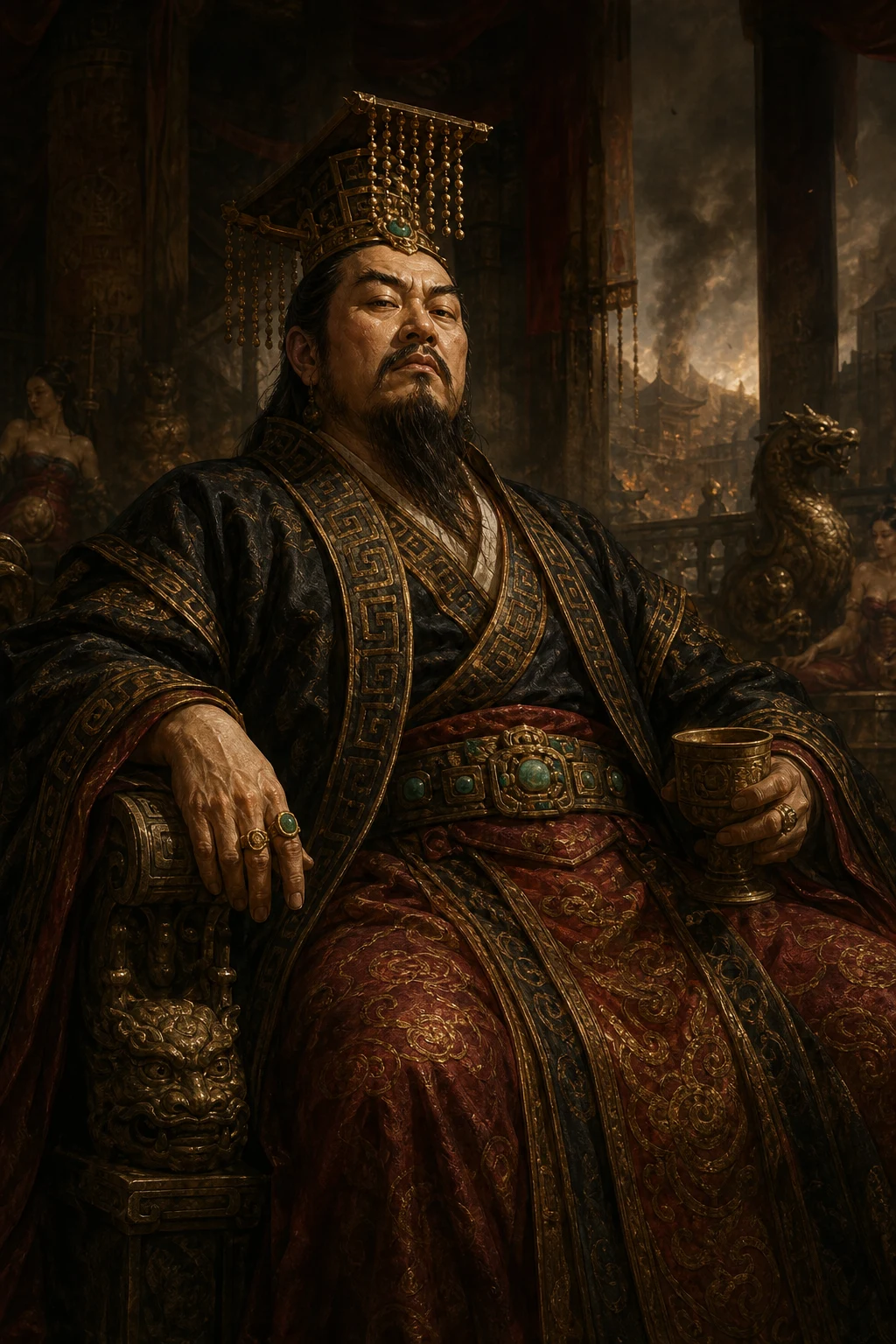
This image of Xia Jie helps place Shang importance in sequence: the Shang story begins as a remembered replacement of Xia and later becomes a model for thinking about dynastic change.
5. It shaped how later Chinese history was remembered
Later historians treated the Shang as a key early dynasty in the long story of Chinese civilization. Important rulers such as Shang Tang and later figures such as King Zhou of Shang became part of the moral and political memory of dynastic rule.
That memory mattered for centuries. The Shang became an early example of both strong rulership and failed late rulership, which made it useful to later thinkers explaining why dynasties rose, declined, and were replaced.
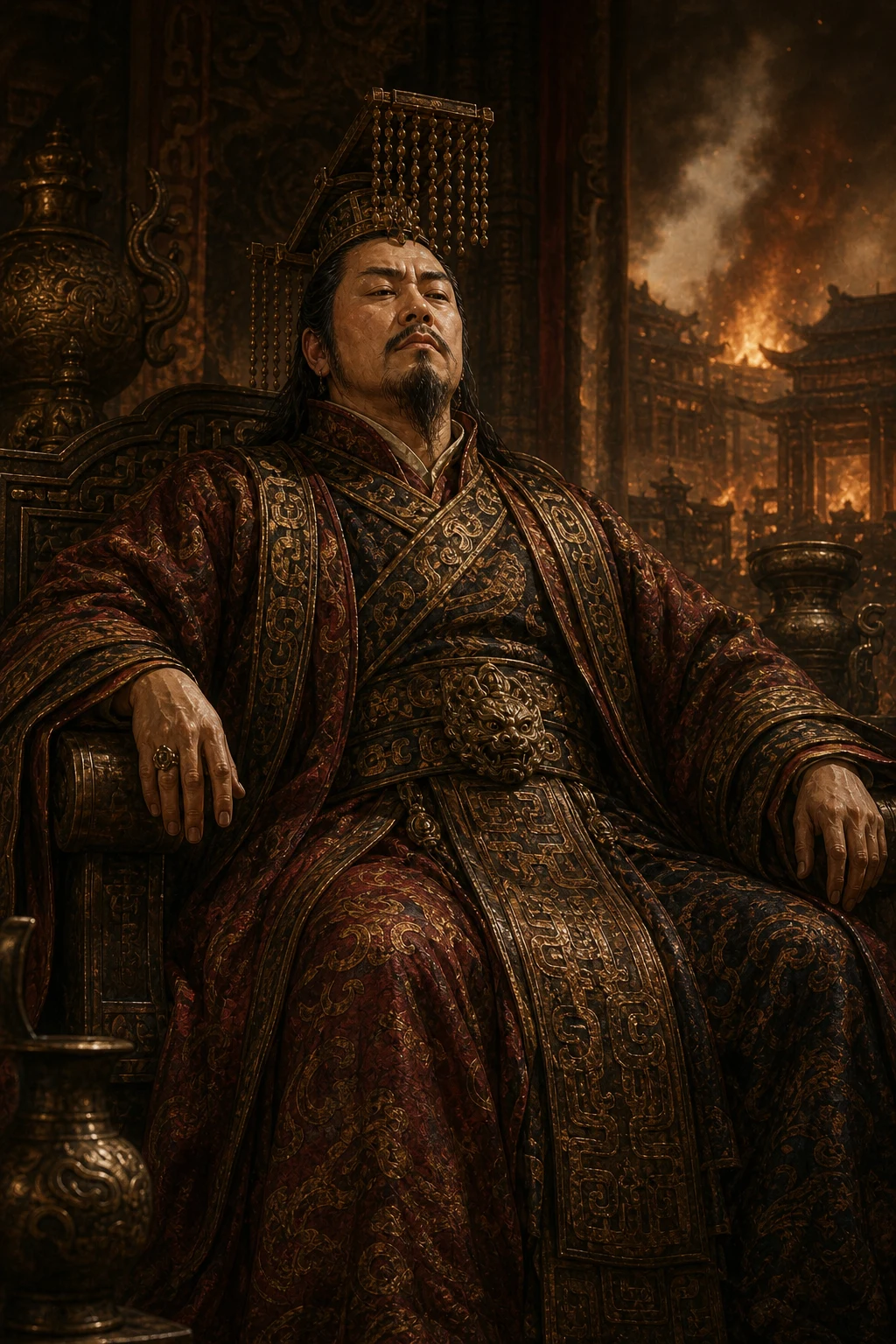
This image of King Zhou of Shang helps show the other side of Shang importance: later tradition remembered not only a founding ruler, but also a failed last ruler whose collapse became a political warning.
What the Shang changed afterward
The Shang changed later Chinese history in two main ways. First, it gave later readers a clearer model of early kingship: a ruler who made war, organized labor, performed ritual, and claimed authority through the royal lineage and ancestors.
Second, the fall of the Shang became part of the larger story of dynastic change. The Zhou Dynasty did not simply replace the Shang by force. It also explained the replacement in moral and political terms, which helps readers understand why the Shang-Zhou transition became so important.
That is why the Shang is more than a single early dynasty. It helps readers understand one of the longest-running patterns in Chinese history: a ruling house rises, claims order, weakens, and is replaced by another house that explains why the change was justified.
How we know the Shang was important
The strongest evidence comes from oracle bones, which preserve royal divination questions in early Chinese writing. These inscriptions mention war, weather, harvests, sacrifice, childbirth, and royal ancestors, so they show what the Shang court cared about in its own words.
Archaeology adds another layer. Yinxu near Anyang is closely linked to the late Shang capital of Yin, and it has produced royal tombs, bronze vessels, workshop remains, and inscribed bones. These finds make the Shang much easier to study than earlier periods that depend more heavily on later tradition.
The tomb of Fu Hao is especially useful for understanding Shang power. It shows the wealth of the royal elite, the importance of ritual vessels, and the role a royal woman could play in military, ritual, and political life.
Readers can place this page together with:
Common misunderstandings about Shang importance
Was the Shang important because it was the first Chinese dynasty?
Not exactly. Traditional history places the Xia Dynasty before the Shang. The Shang is especially important because it has much stronger direct evidence, especially inscriptions and archaeology.
Did the Shang rule all of China?
No. The Shang ruled an important early core region, not the full territory of later Chinese empires. Its power was real, but it was not yet an empire in the later imperial sense.
Was the Shang only important because of oracle bones?
No. Oracle bones are the most famous evidence, but the Shang also matters because of bronze production, royal tombs, warfare, ancestor ritual, and its place between the Xia and Zhou.
What readers should remember
The Shang Dynasty matters because it makes early China easier to see. It gives us writing, archaeology, bronze culture, clearer kingship, and a major dynastic turning point all in one period.
If you remember one thing, remember this: the Shang is important not just because it was ancient, but because it is one of the first early Chinese dynasties that can be studied in direct detail.
FAQ
Why was the Shang Dynasty important in simple terms?
It was important because it left early Chinese writing, major bronze remains, and strong archaeological evidence that make early China much easier to study.
What is the most important evidence from the Shang Dynasty?
Oracle bone inscriptions are often treated as the most important evidence because they preserve early Chinese writing and record royal divination questions directly.
What were the Shang Dynasty's most important achievements?
Its most important achievements include oracle bone writing, large bronze ritual vessels, organized royal ritual, military power, and a stronger archaeological record for early China.
Did the Shang influence later Chinese political ideas?
Yes. The rise and fall of the Shang became part of the longer pattern of dynastic change that later thinkers connected to moral rule and political legitimacy.
Why do historians care more about the Shang than many earlier periods?
Because the Shang has much stronger direct evidence, including inscriptions, tombs, bronze vessels, and excavated urban remains.