Questions
Why Did the Han Dynasty Fall? Two Crises That Ended the Han
Why did the Han Dynasty fall? It ended through two different crises. Western Han was displaced in 9 CE by Wang Mang, an insider from the powerful Wang family. Eastern Han later lost control to warlords after court conflict and rebellion, and Cao Pi formally replaced it in 220 CE.
The main causes were:
- Powerful imperial relatives gained influence when rulers were young or politically weak.
- Wang Mang turned his regency into the Xin dynasty, but his reforms did not stabilize the country.
- In Eastern Han, conflict between imperial relatives and eunuchs damaged the court.
- Social strain and the Yellow Turban Rebellion increased dependence on provincial armies.
- Warlords controlled the emperor in practice; Cao Pi finally took the throne from Emperor Xian.
The Han did not collapse all at once
Western Han ended when Wang Mang founded the Xin dynasty in 9 CE. Liu Xiu restored the Han in 25 CE, creating Eastern Han, which lasted until Cao Pi received Emperor Xian's abdication in 220 CE.
The two endings shared a loss of imperial control, but they were different. Western Han was replaced from within the court. Eastern Han broke down after political conflict, popular unrest, and the rise of independent military leaders.
For the full dynasty-wide story, see Han Dynasty Guide: Rise, Government, Timeline, and Legacy.
Five reasons the Han Dynasty fell
1. Court power shifted away from the emperor
Late Western Han emperors often relied on the families of empresses and dowager empresses. These outer-kin relatives could gain offices, command, and access to decisions. The Wang family rose especially far through Empress Dowager Wang Zhengjun.
2. Wang Mang replaced Western Han from inside the regime
Wang Mang did not conquer Chang'an as an outside invader. He built a reputation for classical learning, ruled as a regent over child emperors, and in 9 CE used ritual transfer language to establish Xin. Frequent changes to land, money, and official titles, combined with disaster and rebellion, then undermined his new dynasty.
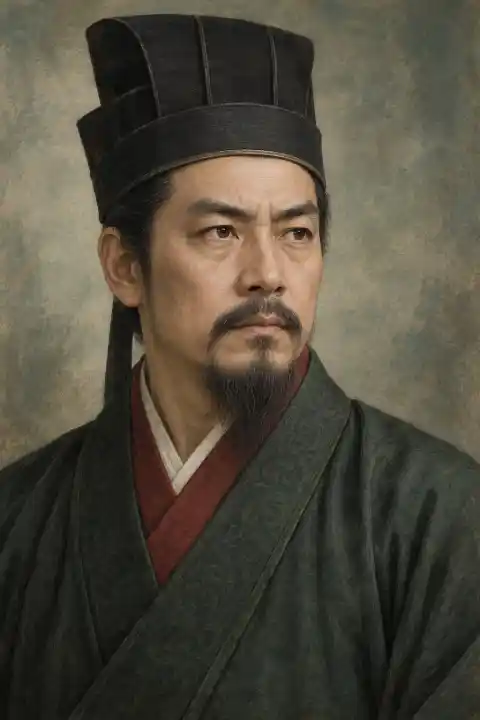
This portrait highlights an essential part of the Western Han crisis: Wang Mang first reached the center of power as a relative of the imperial family and a regent, not as an outside conqueror. His takeover was a gradual transfer of authority inside the court before it became a dynastic replacement in 9 CE.
3. Eastern Han court politics became a recurring trap
Eastern Han was restored, but it repeatedly faced child emperors. Imperial relatives governed while rulers were young; later, emperors often used eunuchs to remove those relatives. The cycle of purges damaged the court's ability to sustain policy.
4. Social strain and rebellion weakened the center
Land concentration, tax and labor burdens, disasters, and disease made many communities more vulnerable. The Yellow Turban Rebellion in 184 CE did not end Han directly, but it forced the court to rely on local commanders and resources it could not fully control.
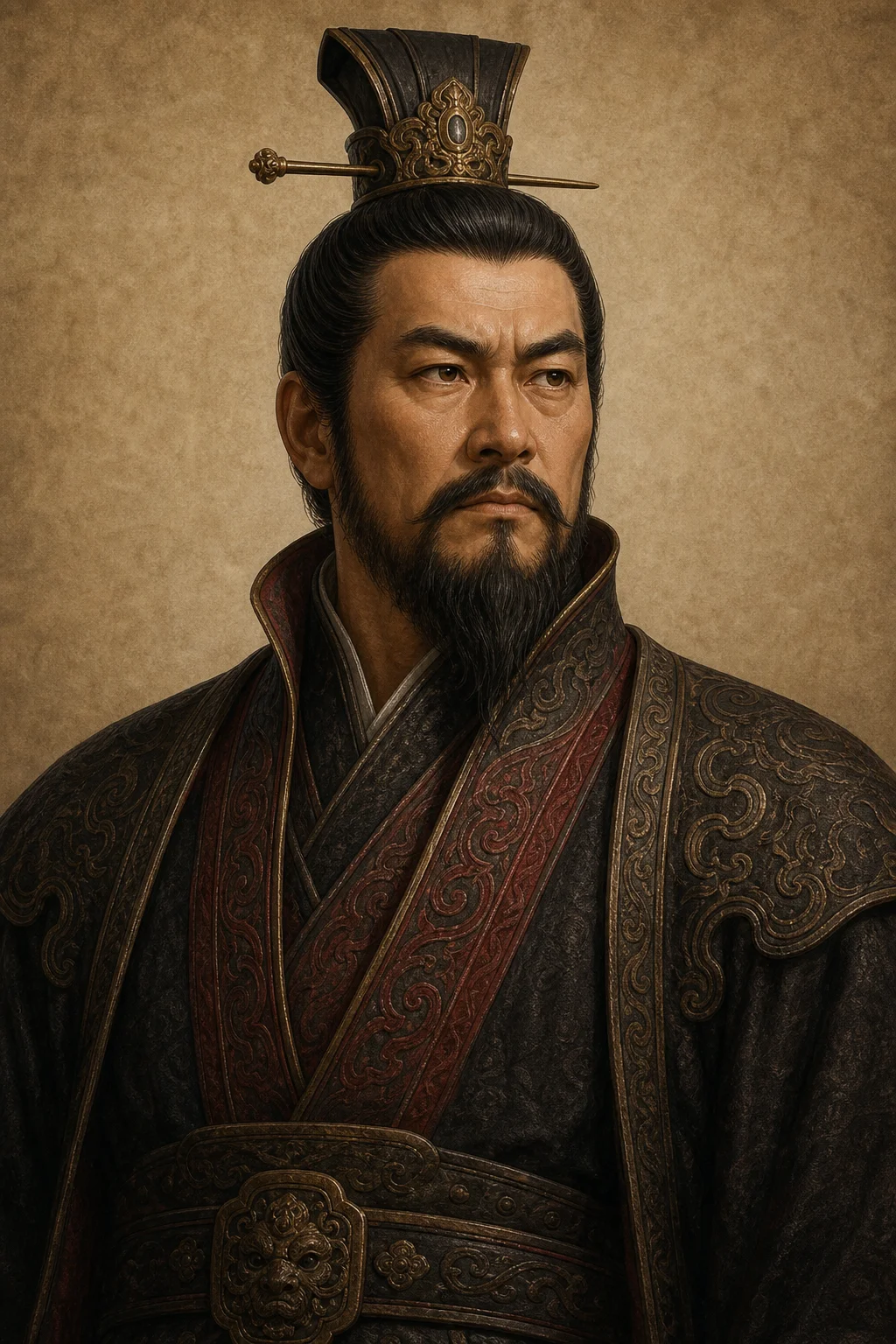
Cao Cao's rise shows why this was more than a single rebellion. Military and political leaders could use campaigns to create their own power bases, while the court lost its ability to coordinate elite networks, troops, and resources. Eventually, the emperor himself came under the control of a powerful minister.
5. Warlords turned the emperor into a political prize
Dong Zhuo entered Luoyang in 189 CE and showed that an armed commander could dominate the court. Cao Cao later controlled Emperor Xian while building his own northern power base. In 220 CE, Cao Pi accepted the emperor's abdication and founded Wei.
Key turning points
- 9 CE: Wang Mang founds Xin; Western Han ends.
- 25 CE: Liu Xiu restores Han rule.
- 184 CE: the Yellow Turban Rebellion erupts.
- 189 CE: Dong Zhuo enters the capital and breaks court authority.
- 220 CE: Cao Pi replaces Eastern Han and founds Wei.
Use the Han Dynasty Emperors Timeline to place these changes alongside the late Han rulers.
What changed after the Han fell
Xin was followed by restored Han rule. Eastern Han's end opened the Three Kingdoms period, when Wei, Shu, and Wu competed rather than a new unified dynasty immediately taking over.
Compare the two endings in Why Did the Western Han Fall? and Why Did the Eastern Han Fall?.
Sources and historical caution
The Book of Han and Book of the Later Han are central narrative sources. Both frame political change through legitimacy and moral judgment, so this page treats Wang Mang, the Yellow Turbans, and individual rulers as parts of a longer political process rather than as single explanations.
FAQ
Who ended the Han Dynasty?
Wang Mang ended Western Han in 9 CE. Cao Pi ended Eastern Han in 220 CE by receiving Emperor Xian's abdication.
Did the Yellow Turban Rebellion overthrow the Han?
No. It was a major turning point that strengthened local military forces and deepened the wider crisis.
Why are there Western and Eastern Han dynasties?
Wang Mang's Xin dynasty interrupted Han rule. Liu Xiu restored the Han in 25 CE, and the restored dynasty is called Eastern Han.